Play Treasure of Nadia
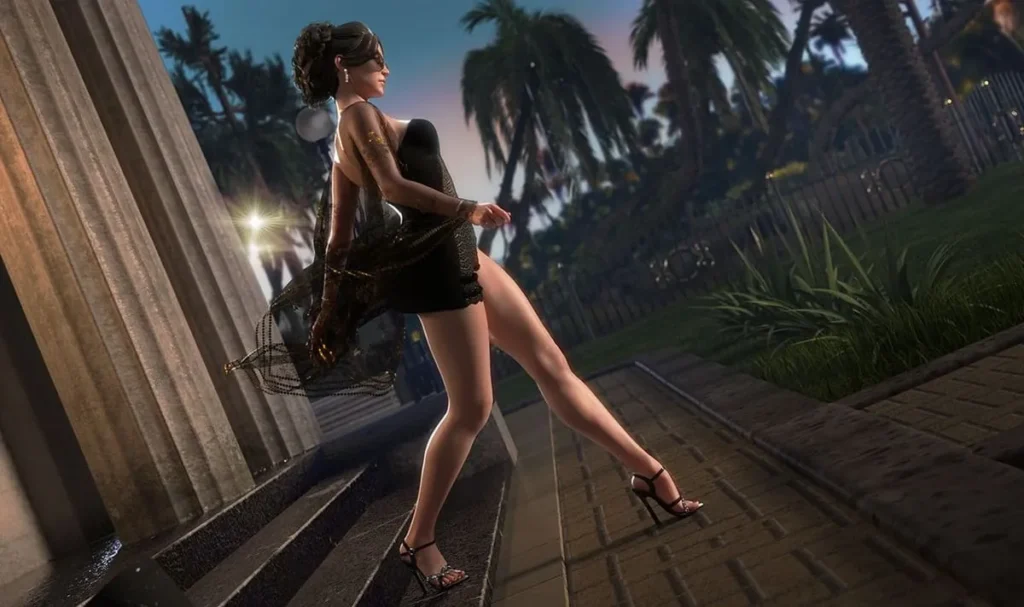
Treasure of Nadia Screenshots


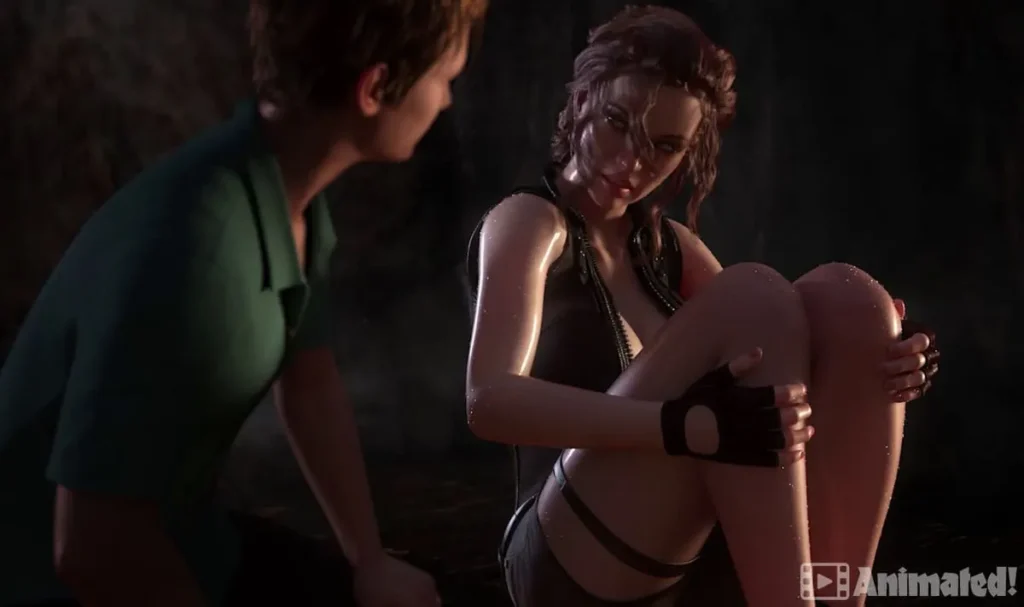

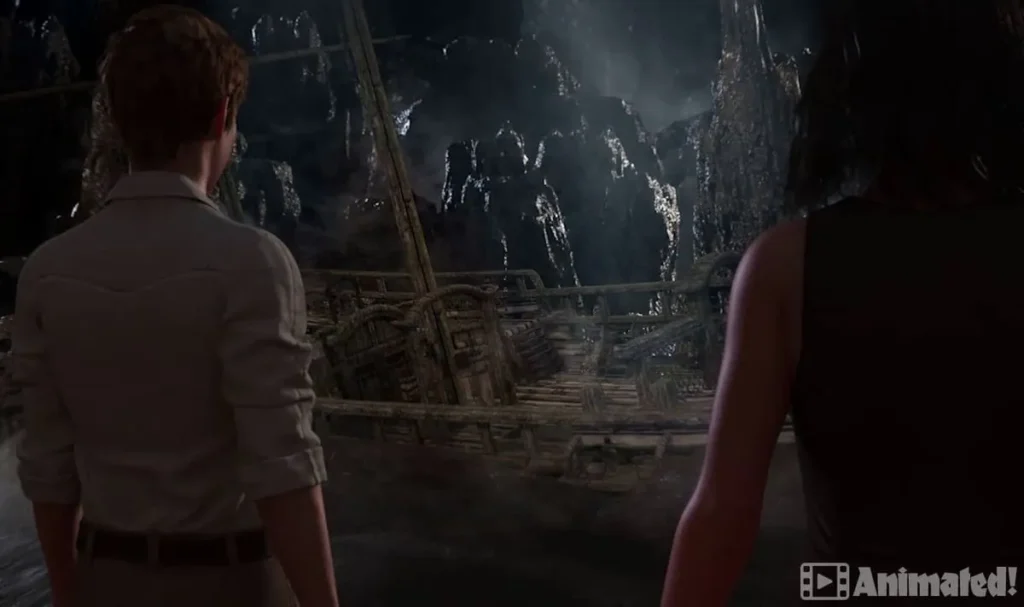

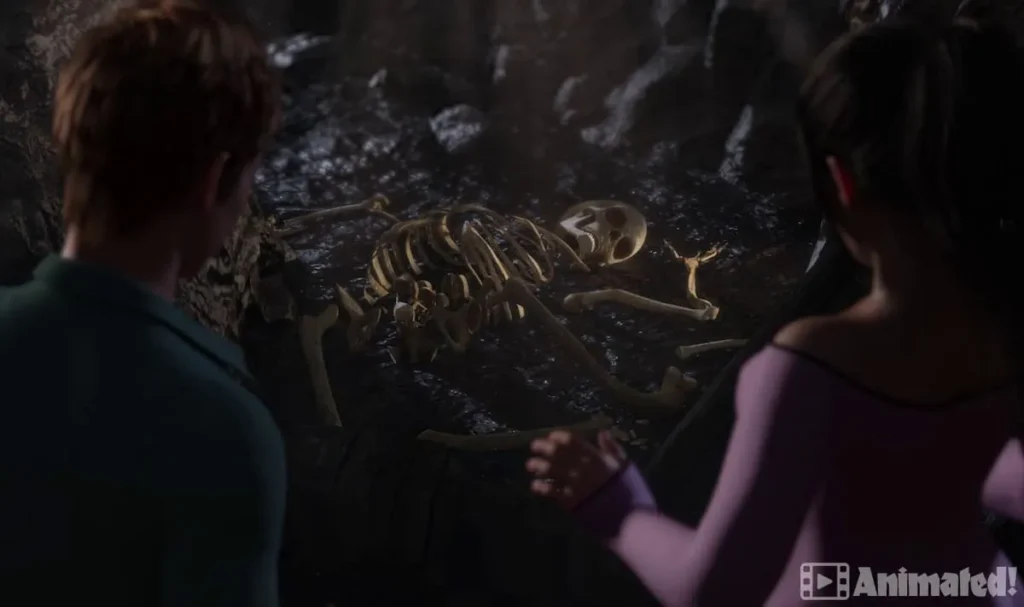


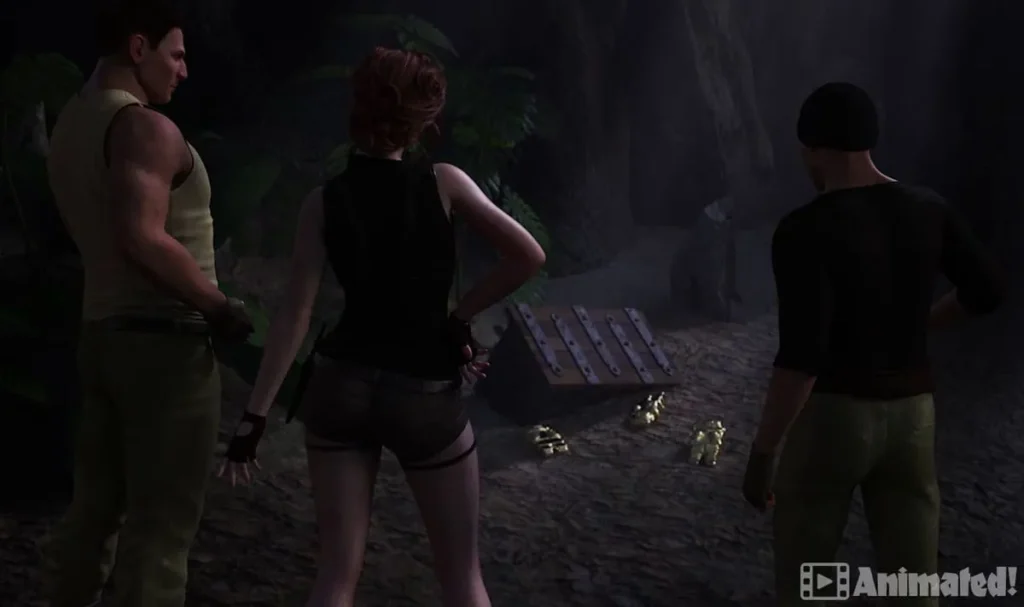





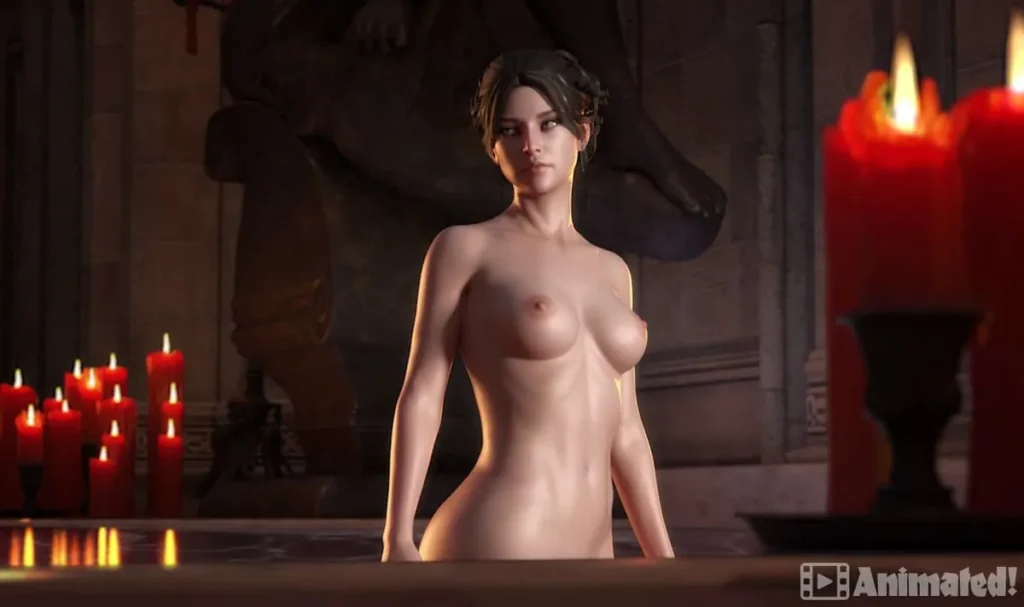


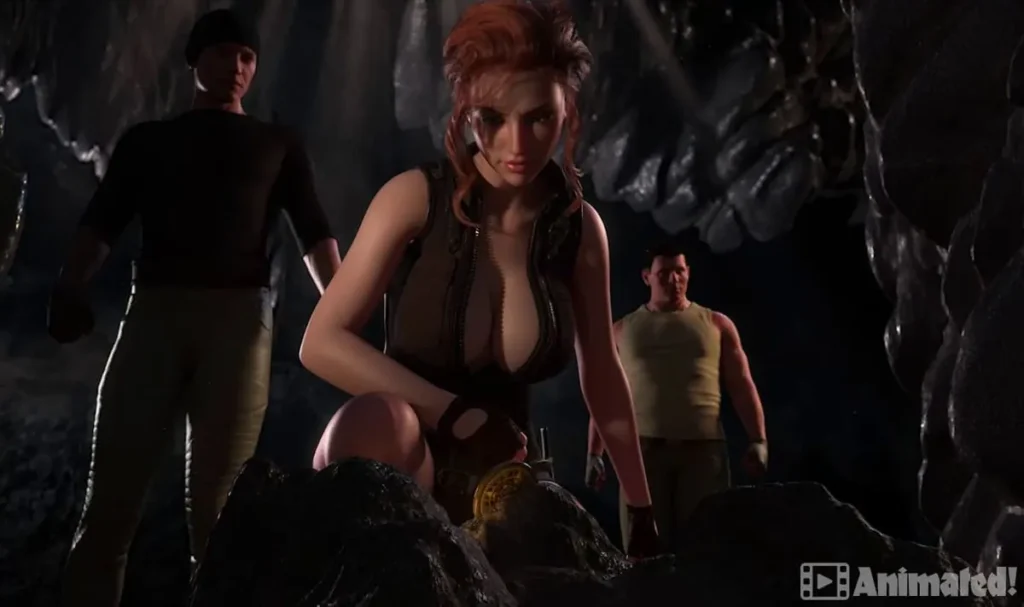
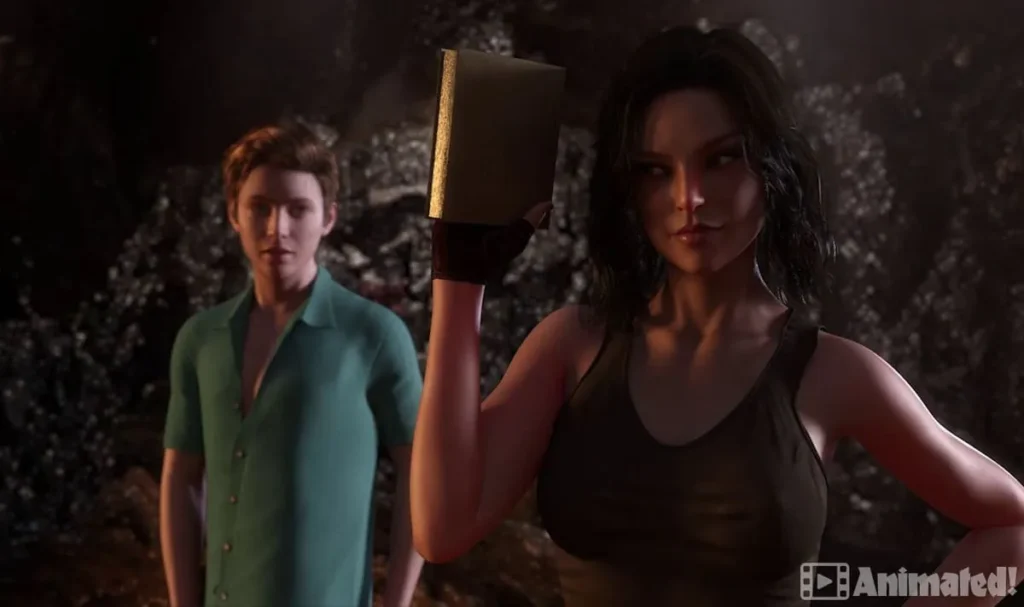
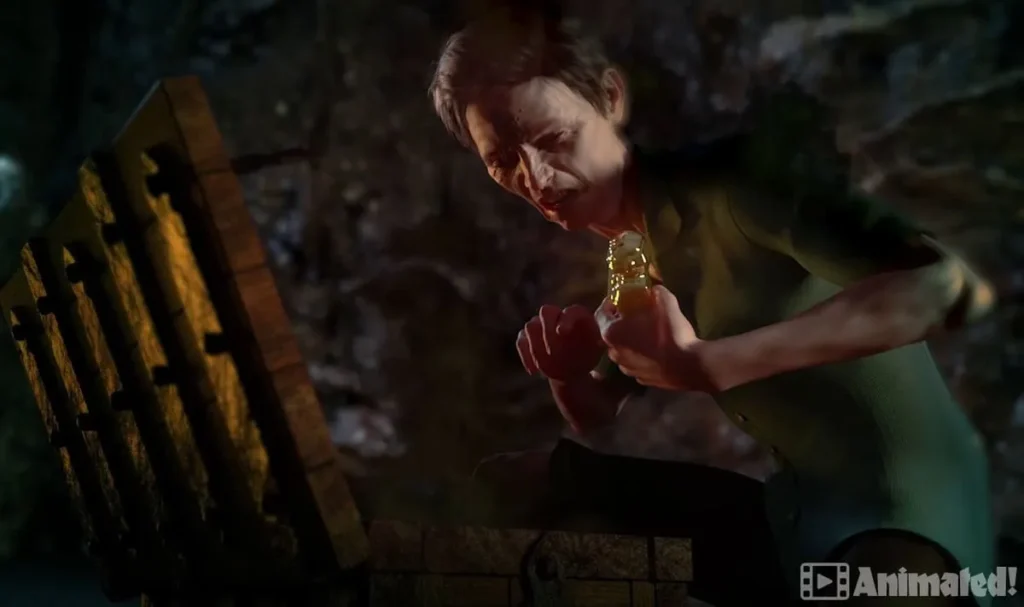

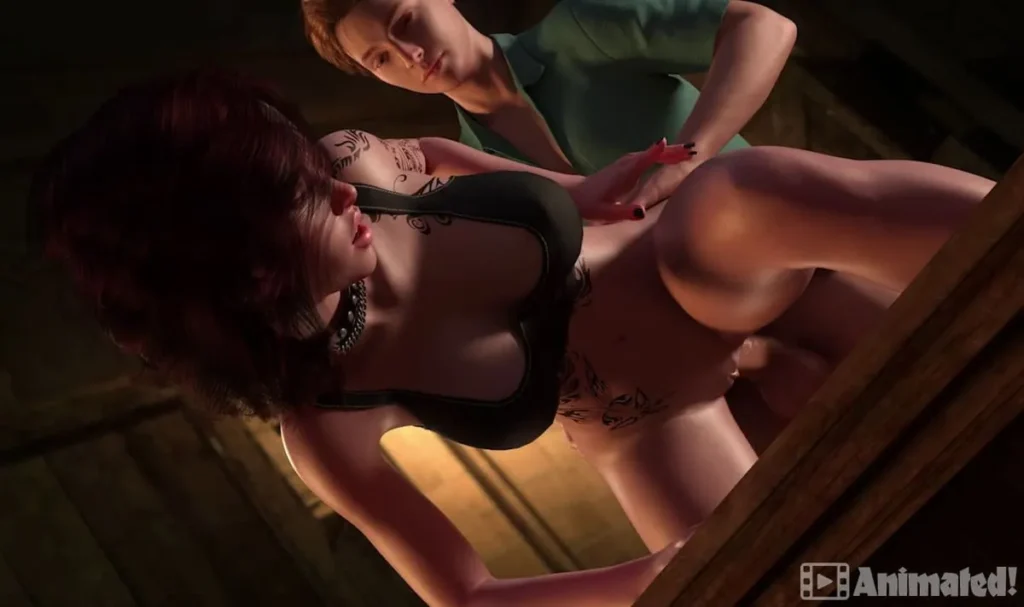




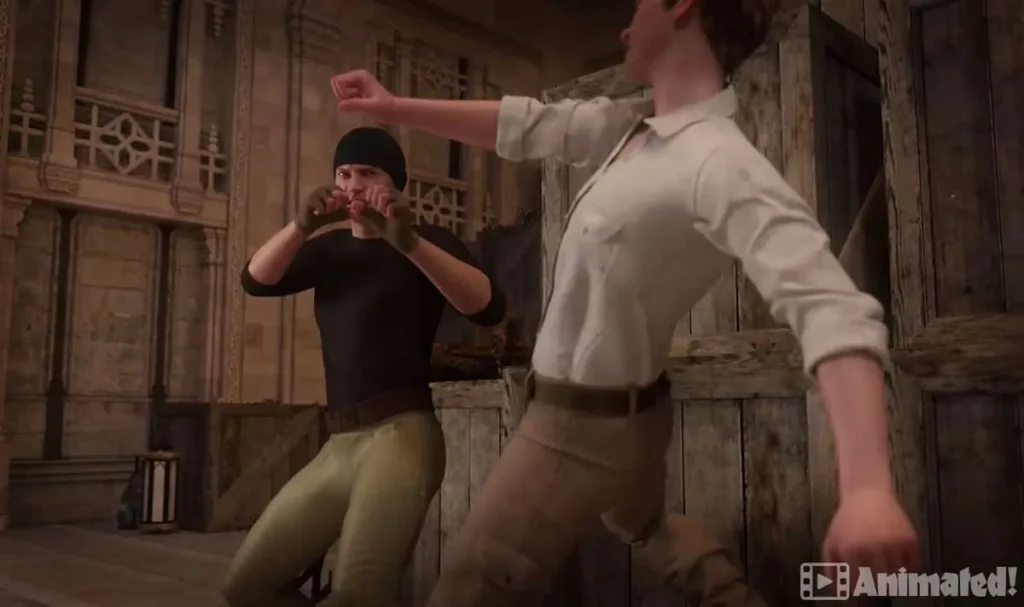



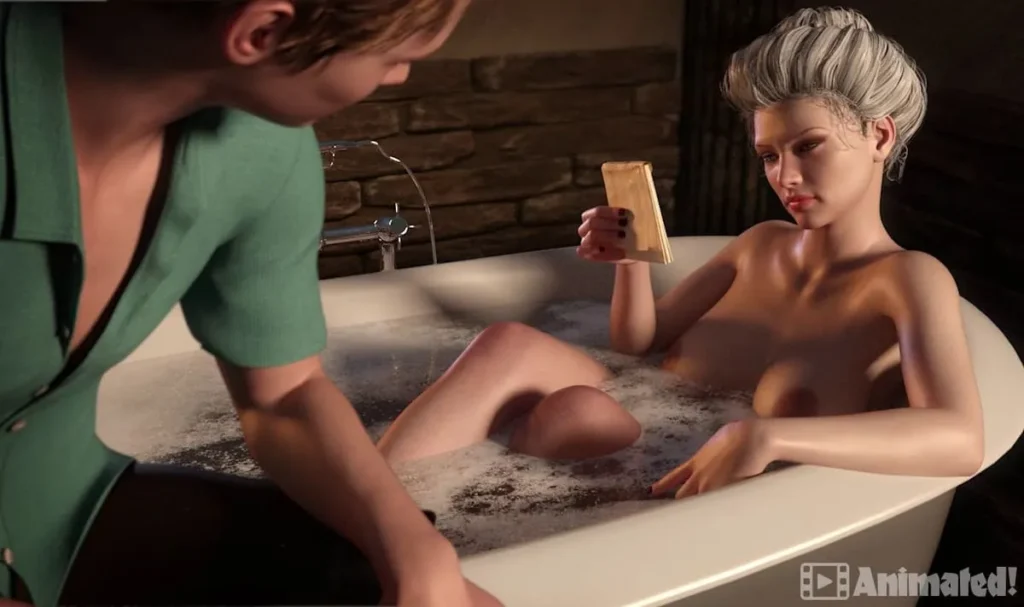



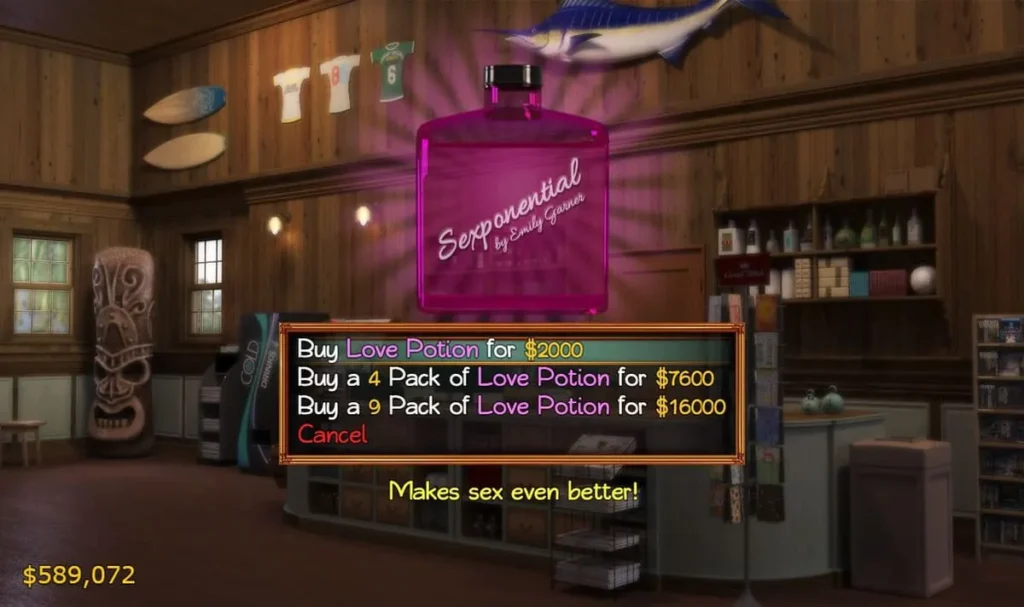

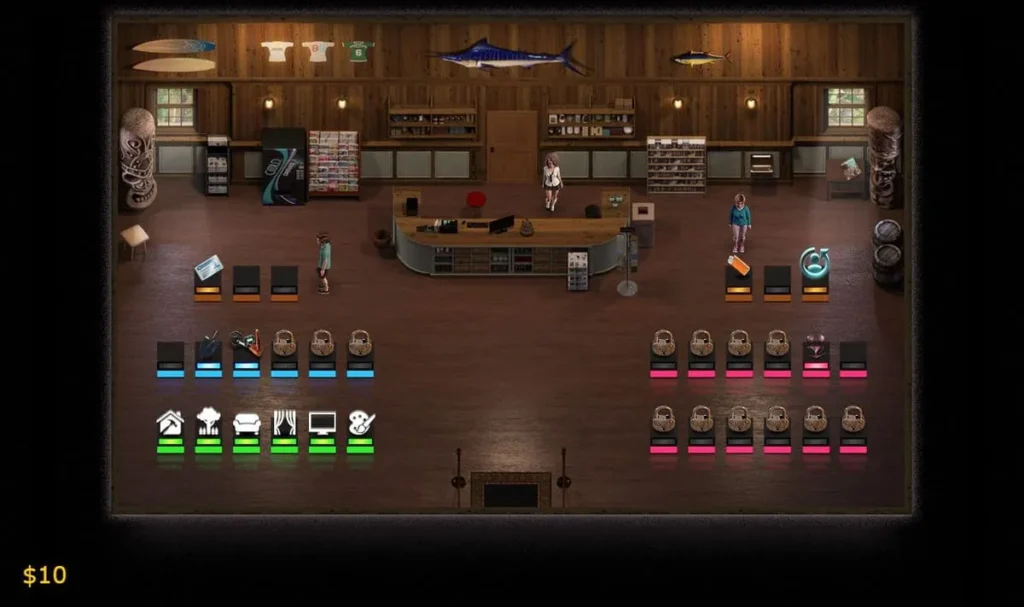

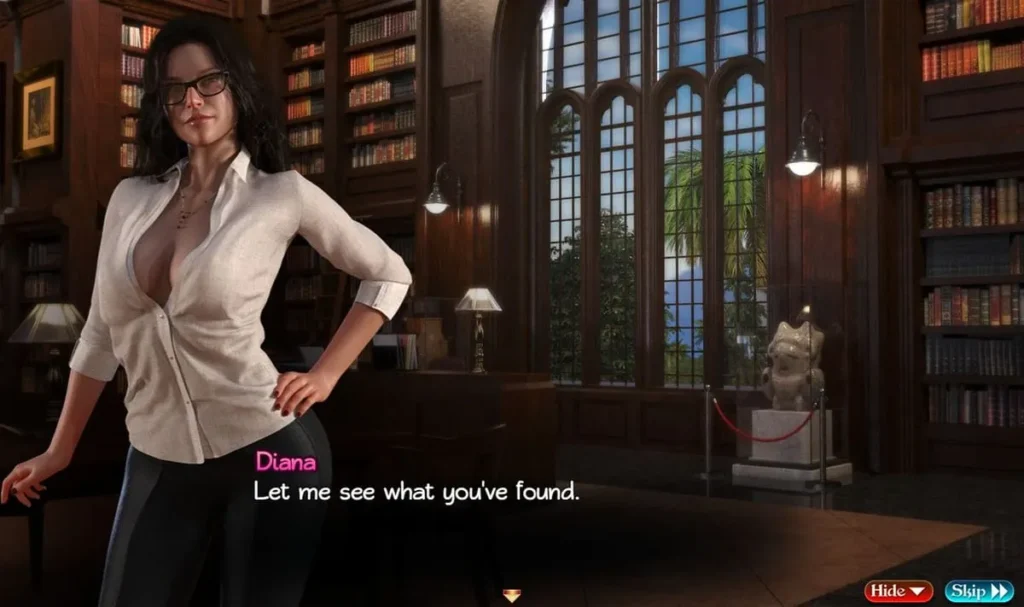


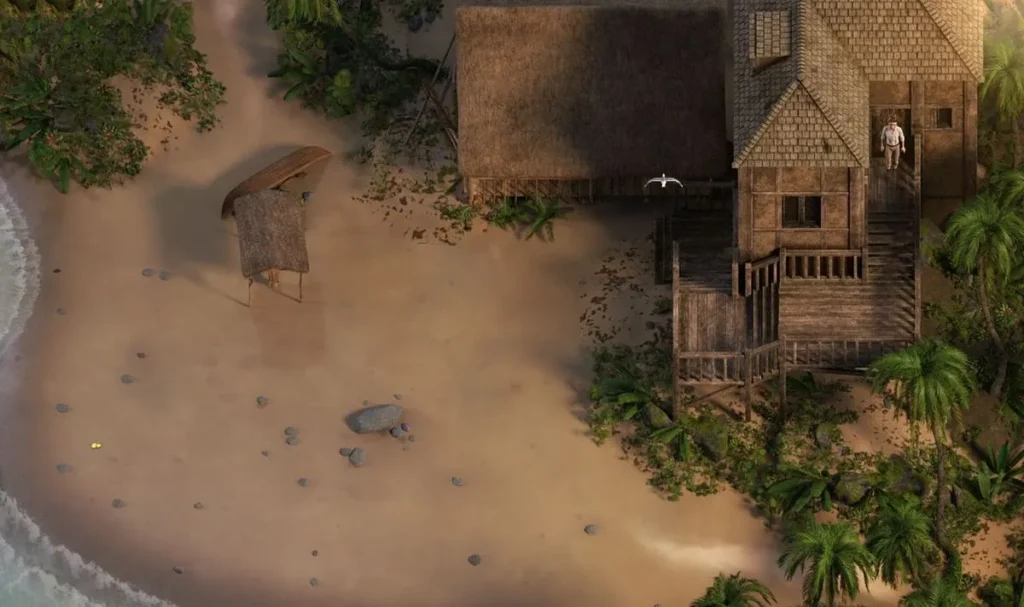
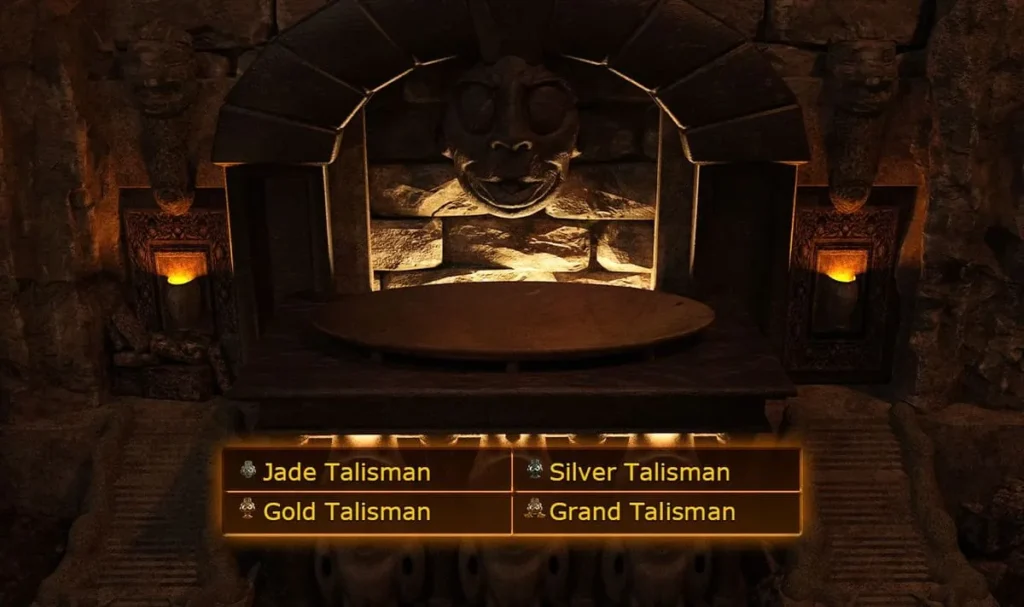
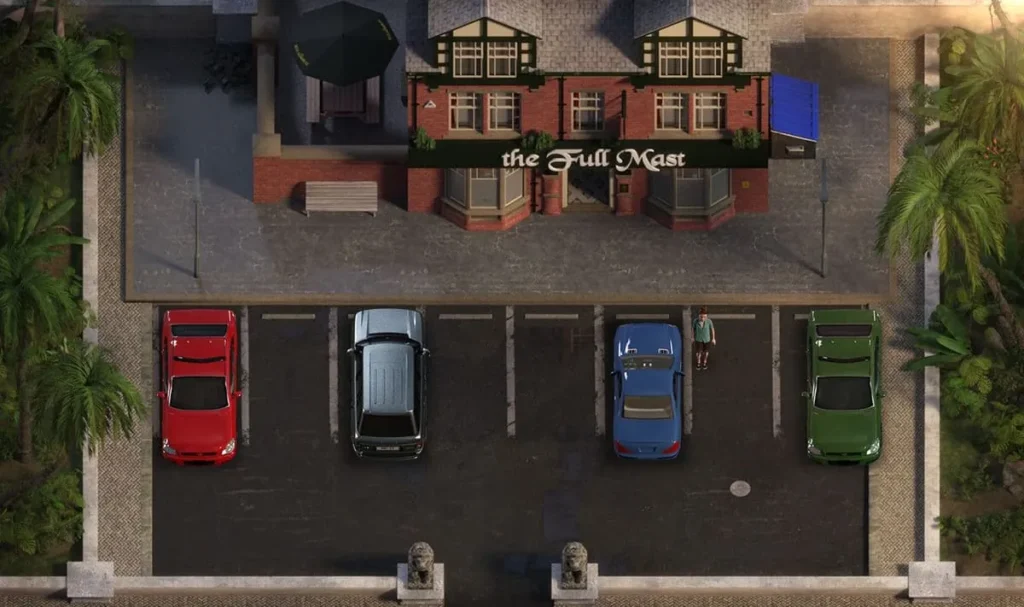
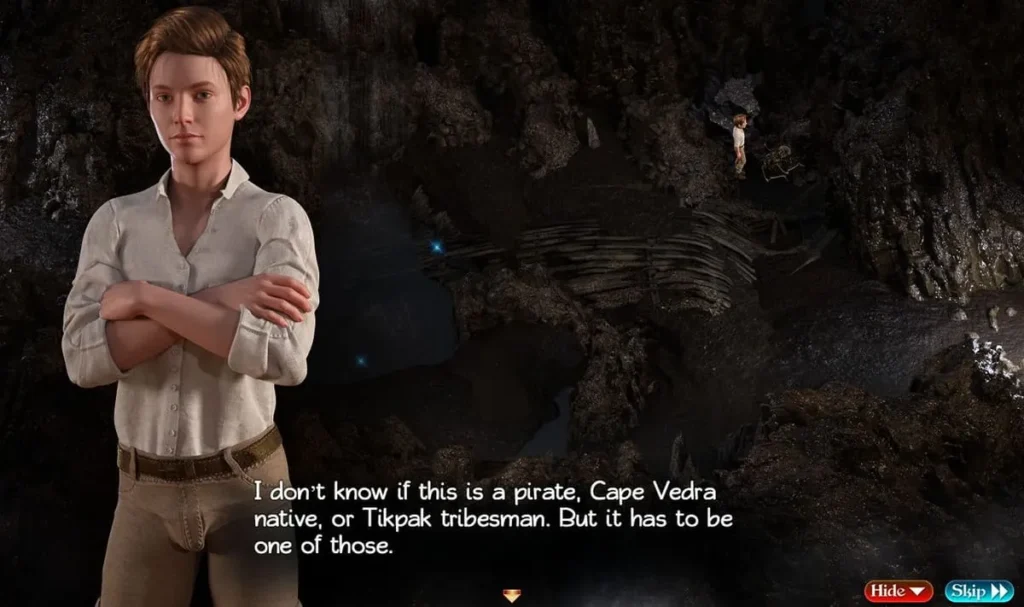
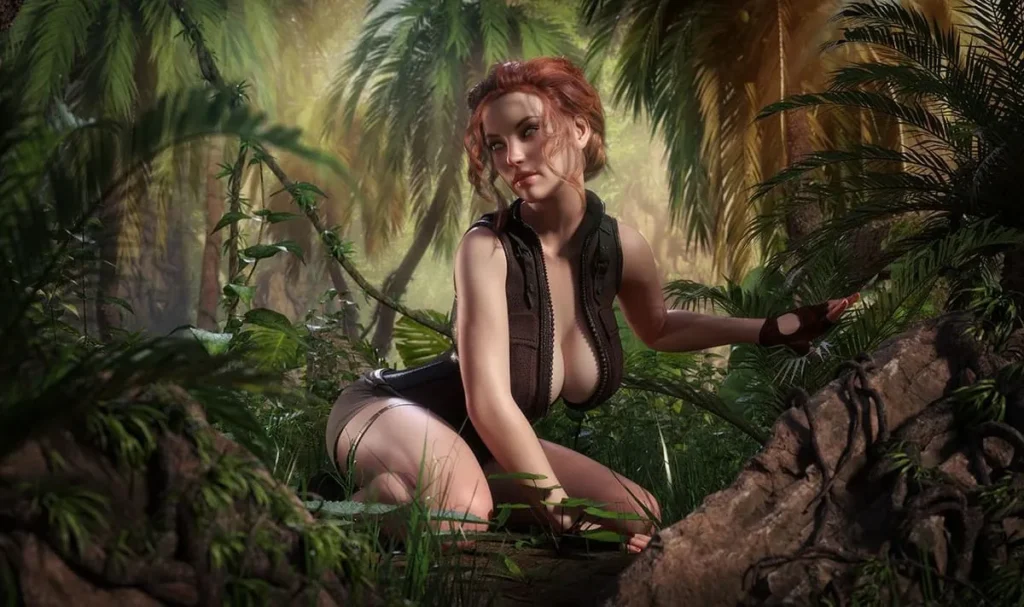
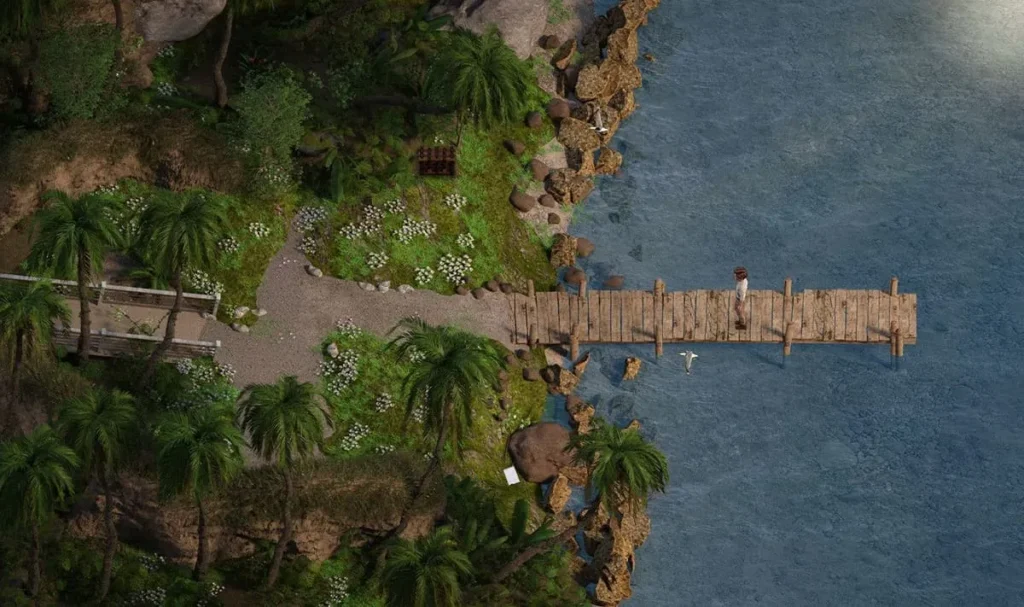
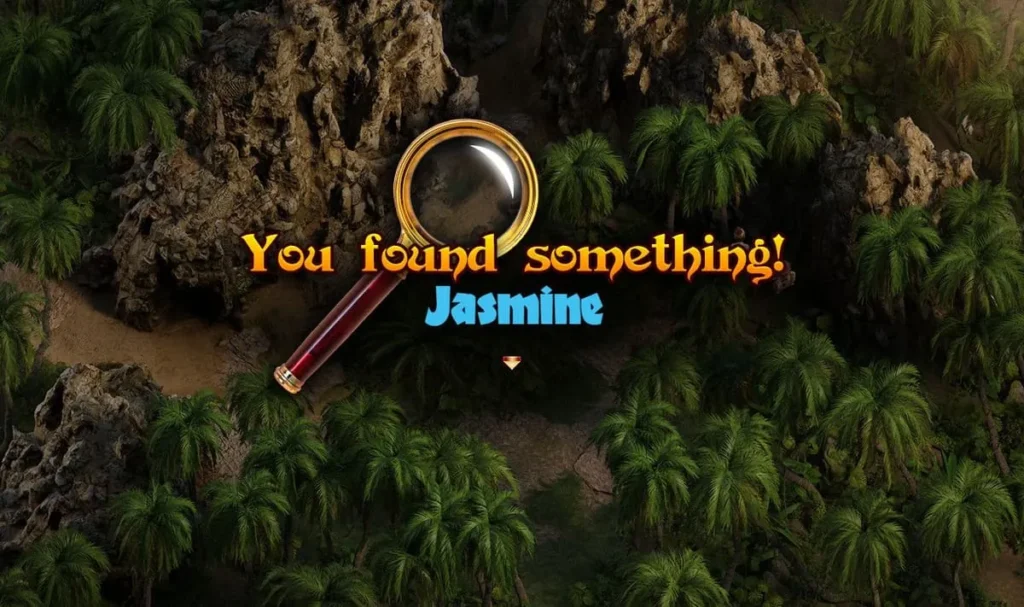
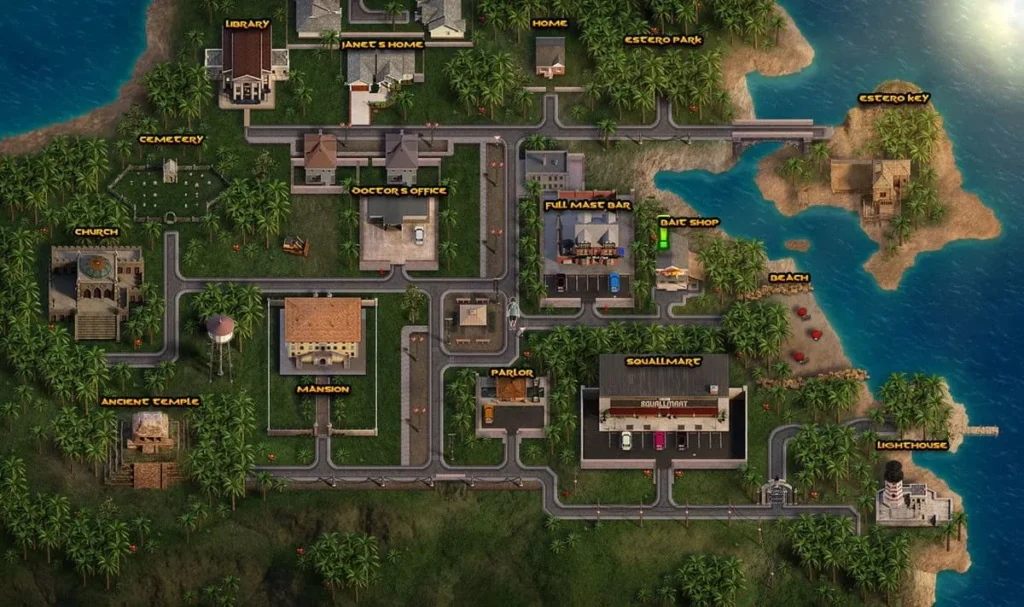
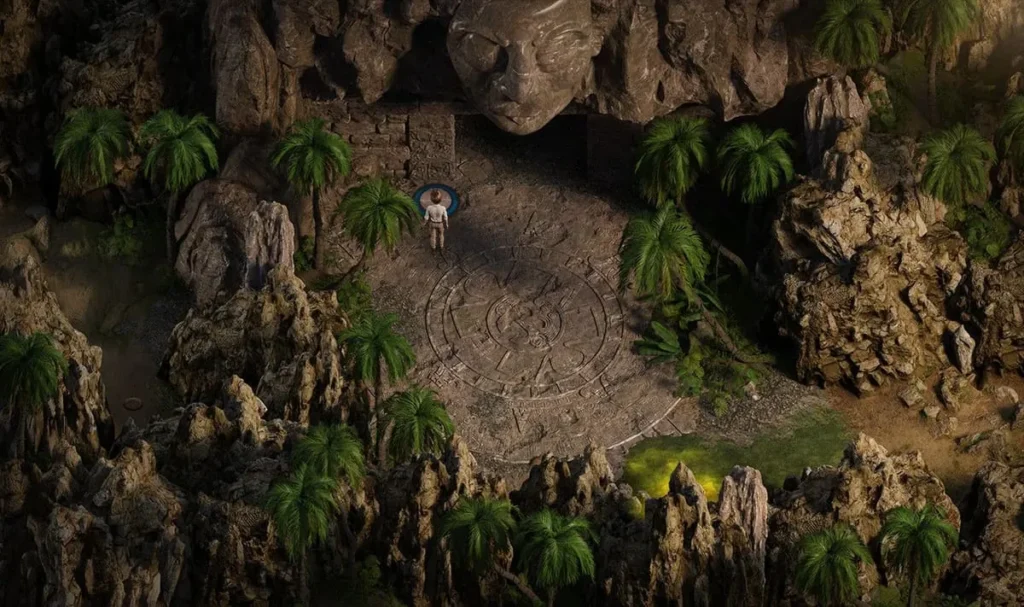
Treasure of Nadia review
Explore gameplay mechanics, character romance options, and treasure hunting strategies in this adult adventure game
Treasure of Nadia stands out as a unique blend of adventure gaming and interactive storytelling, combining Indiana Jones-inspired exploration with character-driven narrative elements. This game has garnered attention for its high-quality production values, engaging storyline, and complex gameplay systems that extend beyond traditional point-and-click mechanics. Whether you’re interested in understanding the core gameplay loop, discovering character romance options, or mastering treasure hunting strategies, this comprehensive guide covers everything you need to know about what makes Treasure of Nadia a standout title in its genre. From crafting systems to puzzle-solving and character progression, we’ll explore the key elements that define the player experience.
Gameplay Mechanics and Core Systems
Alright, adventurer, let’s get down to the nitty-gritty. 🗺️ If you’ve clicked on this guide, you’re probably standing on the sunny shores of Nadia, a bit dazzled by the sights but unsure which lever to pull first. Don’t worry, we’ve all been there. The Treasure of Nadia gameplay mechanics are a unique blend of point-and-click adventure, light RPG systems, and a treasure hunter’s dream logbook. It can feel like a lot, but once you understand the core loop, you’ll be navigating jungles and romancing companions like a pro.
This chapter is your trusty map to the game’s core systems. We’re going to break down exactly how you play, how you craft essential items, and how to master the art of exploration. Think of me as your seasoned guide, here to point out the pitfalls and hidden shortcuts I wish I’d known on my first playthrough. Let’s dive in.
Understanding the RPG-Style Gameplay Loop
At its heart, Treasure of Nadia follows a satisfying, if sometimes repetitive, cycle. It’s not about complex stats or combat; it’s an RPG adventure game exploration experience focused on story, collection, and gradual unlocking. The loop is deceptively simple, but it’s the engine that drives everything forward.
Here’s the step-by-step rhythm you’ll quickly fall into:
1. Receive a Objective: This usually comes from a story cutscene or a character conversation. It might be vague (“find more clues about the treasure”) or specific (“get the boombox from Ash”).
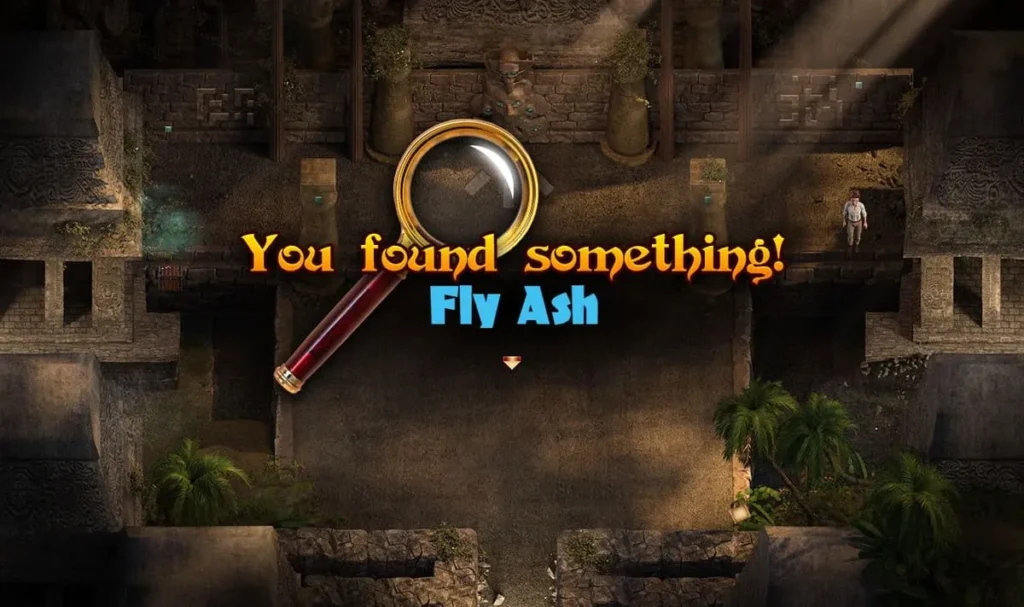
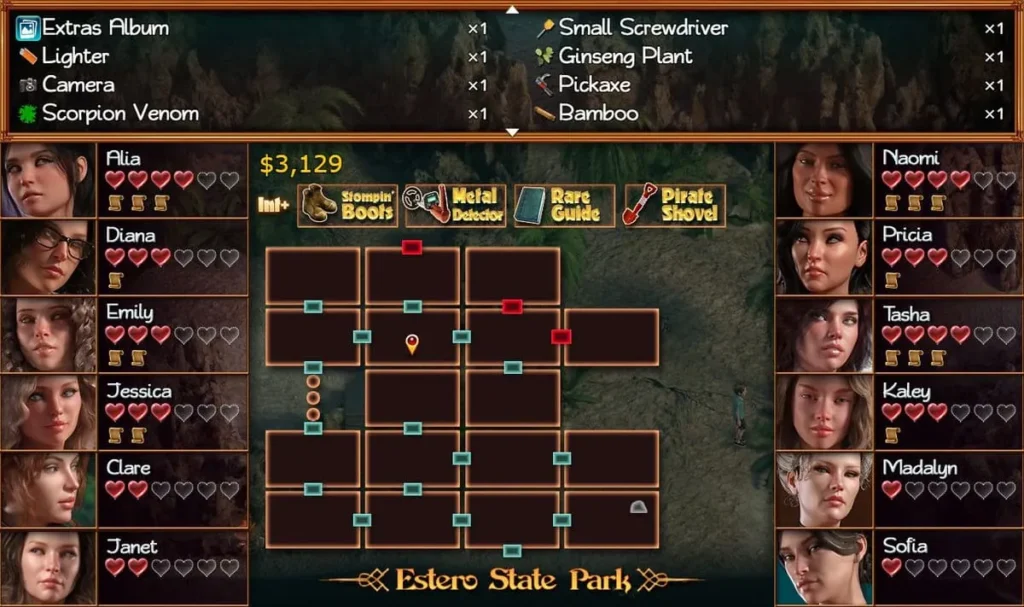
2. Travel & Explore: You open your map and travel to a relevant location. This is where the item collection and progression begins. You click around the screen, looking for shiny interactive spots.
3. Gather Resources: You collect everything that isn’t nailed down! 🎒 Gold coins, herbs, strange artifacts, and, most importantly, broken keys. These items go straight into your inventory.
4. Solve & Unlock: You hit a barrier. A locked chest, a blocked path, or a puzzle like unlit torches. You use your collected items to craft a solution (like a new key) or solve an environmental puzzle.
5. Progress & Repeat: Solving the puzzle or unlocking the chest often rewards you with a story item, a new recipe, or a special key. This triggers the next story beat or cutscene, which gives you a new objective… and the loop starts again.
The story cutscenes are your reward and your pacing mechanism. They break up the gameplay mechanics perfectly, giving you a narrative payoff for your grinding efforts. However, I’ll be honest—during the middle parts of the game, this loop can feel a bit grindy. You might find yourself visiting the same locations multiple times, clicking the same spots, waiting for new items to spawn. My advice? Put on a podcast, embrace the zen of the hunt, and know that a captivating story scene is always just a few crafted items away.
Crafting Systems and Item Management
This is where your adventurer becomes an artisan! 🛠️ The crafting system keys and chests is arguably the most critical system in the game. You don’t just find keys lying around (well, not the important ones); you make them. Your best friends in this process are Broken Keys. These common finds are the raw material for almost every locking mechanism you’ll encounter.
Early on, you’ll get a recipe that becomes second nature: Broken Key + Gold Coin = Simple Key. This Simple Key is your gateway to so much content. Need that Bedroom Key to, ahem, further a relationship? It’s usually crafted. Staring at a tantalizing chest? You’ll likely need to craft a specific key for it. The game teaches you this loop early, and it’s a genius way to gate progression naturally.
But it’s not just about keys. You’ll craft healing items, special tools, and story-critical artifacts. Managing your inventory is key. My personal strategy? Always pick up Broken Keys and Gold Coins. Always. When you’re back at your house or a camp, regularly check your crafting menu to see what new recipes you’ve unlocked. There’s no worse feeling than being stuck because you didn’t craft a Simple Key five minutes ago.
To help you keep track of the metallic puzzle pieces, here’s a breakdown of the key types you’ll be dealing with:
| Key Type | How to Obtain | Primary Use |
|---|---|---|
| Broken Key | Found by exploring almost any location; common drop. | Raw material for crafting all other keys. |
| Simple Key | Crafted with 1 Broken Key + 1 Gold Coin. | Unlocks many basic doors and some early-game chests; used to craft higher-level keys. |
| Chest Key | Often crafted (e.g., Simple Key + Silver Coin), sometimes found in other chests or as quest rewards. | Unlocks specific treasure chests scattered around the world. |
| Special/Mythic Key | Advanced crafting (involving gems, artifacts) or from major story milestones. | Unlocks end-game areas, legendary chests, or special story sequences. |
| Bedroom Key | Crafted via specific recipe (often involves a Simple Key and another item like a Note). | Unlocks character-specific romance and story progression paths. |
Remember, how to unlock chests in Treasure of Nadia almost always involves this system. You find a chest, your inventory flashes, you open the crafting menu, and you solve the metallic riddle. It’s incredibly satisfying.
Exploration, Puzzles, and Treasure Hunting
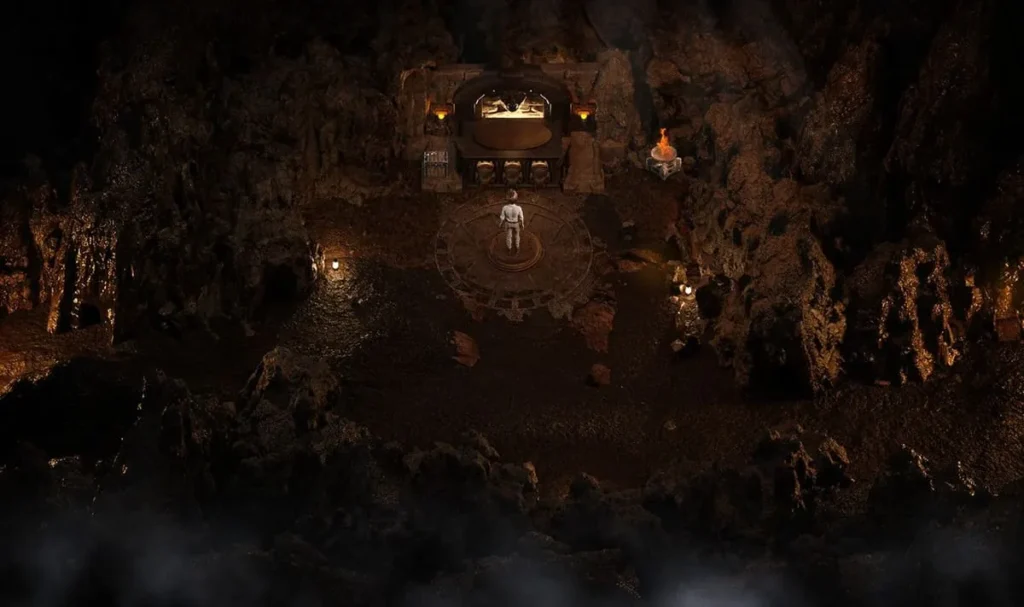
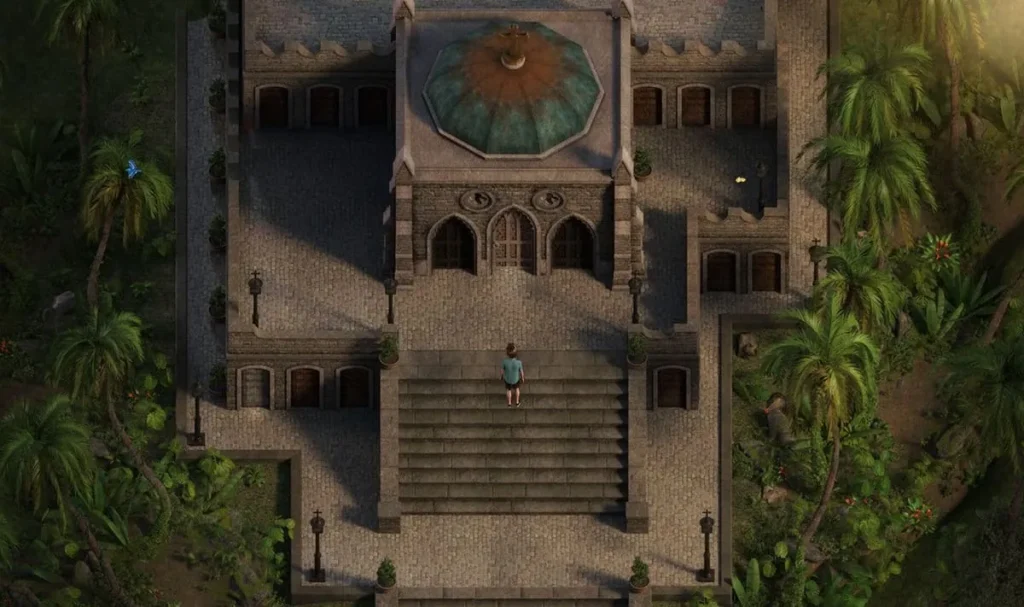
Now for the fun part: the hunt! 🌴 The world of Nadia is a series of interconnected, beautifully rendered screens. Your map is your lifeline, allowing fast travel to discovered locations. The RPG adventure game exploration is straightforward—click to move, click on shiny objects to interact—but the devil is in the details.
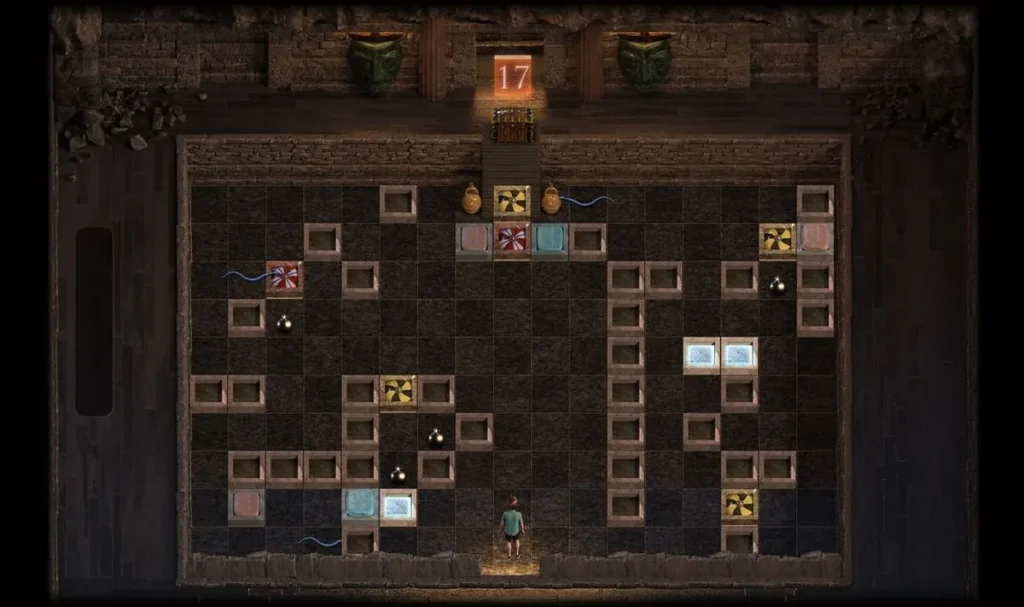
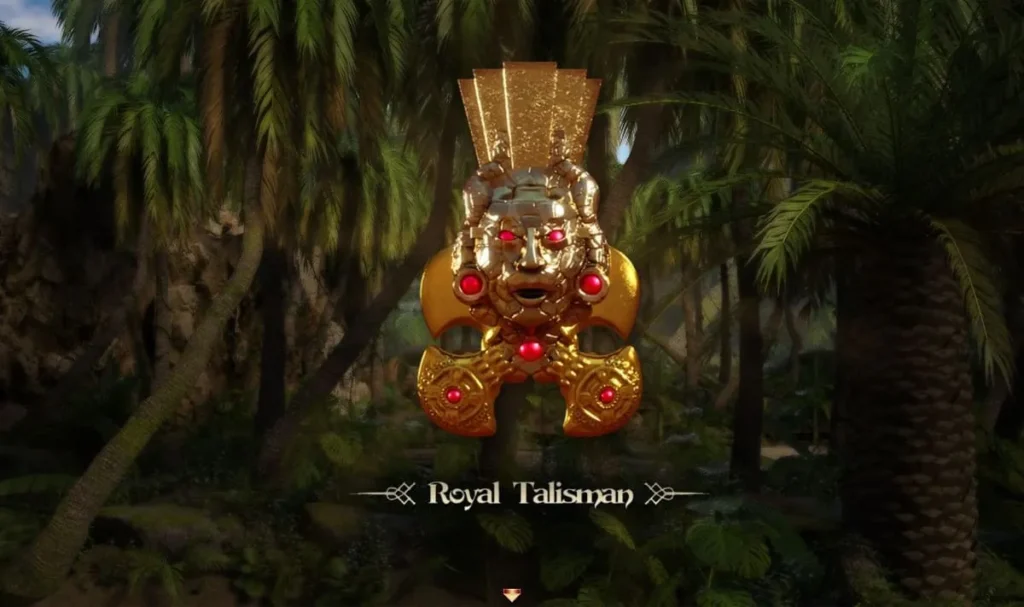
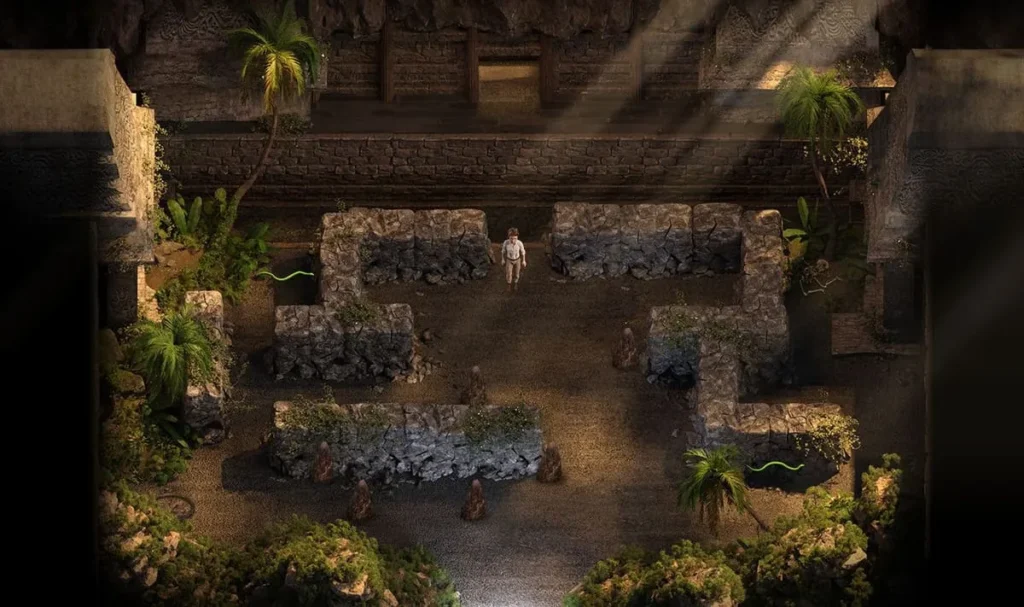
Treasure hunting is a core pillar. Chests are hidden everywhere: in clear view, behind trees, or in areas that only become accessible after a story event. Your Treasure of Nadia gameplay mechanics knowledge is tested here. You’ll need to use your crafted keys, but also solve environmental puzzles. The most iconic early puzzle involves torches. You’ll find a set of unlit torches and a brazier. You must find the correct order to light them, which usually involves observing clues in the environment or in your journal. It’s a perfect example of the game’s puzzle solving—not brutally hard, but requiring a moment of observation and thought.
This brings us to a vital tip for your treasure hunting locations guide: Be obsessive and revisit. Many areas change after story events. A path that was blocked in Chapter 2 might be open in Chapter 5. A chest might appear where there was none before. I made a habit of doing a full “circuit” of all major locations after every big story beat. It’s the best way to find new resources and those elusive chests.
Speaking of chests, let’s talk strategy for how to unlock chests Treasure of Nadia style. First, if you see a chest, don’t panic if you don’t have the key immediately. Mark it mentally or with a note. The key component might come from a completely different area or a character task. For instance, helping a character like Ash with her boombox might reward you with a special coin needed for a key recipe. The game brilliantly ties character interactions to your progression as a treasure hunter.
The puzzle solving torches broken keys theme is constant. One puzzle might require a key, the next might require you to combine inventory items in a certain way, and another might be a pure logic or pattern-matching test. The difficulty is well-balanced; it never feels unfair, just a satisfying bump on the road to riches and romance.
Ultimately, mastering the Treasure of Nadia gameplay mechanics is about embracing all three of these pillars together. You explore to find items (item collection and progression), you use those items to craft solutions within the crafting system keys and chests, and those solutions allow you to explore deeper, solve bigger puzzles, and unlock the greatest treasures—both the metallic kind and the, well, personal kind. 🏆😉
So grab your map, stock up on Broken Keys, and get ready to leave no stone unturned. The treasure—and the unforgettable adventures along the way—awaits.
Treasure of Nadia successfully merges adventure gaming with character-driven storytelling, creating an experience that appeals to players seeking both engaging gameplay and narrative depth. The combination of exploration mechanics, crafting systems, and character romance options provides multiple layers of engagement that extend beyond traditional point-and-click games. With its high-quality production values, diverse character roster, and substantial story content, the game offers significant replay value through different romance paths and progression choices. Whether you’re drawn to the treasure hunting mechanics, character relationships, or overall production quality, Treasure of Nadia delivers a comprehensive gaming experience that balances gameplay challenge with narrative satisfaction. For players interested in exploring this title, understanding the core mechanics and character progression systems will enhance your overall experience and help you make the most of your playthrough.