The Theater of Sinners
Play The Theater of Sinners
The Theater of Sinners Screenshots
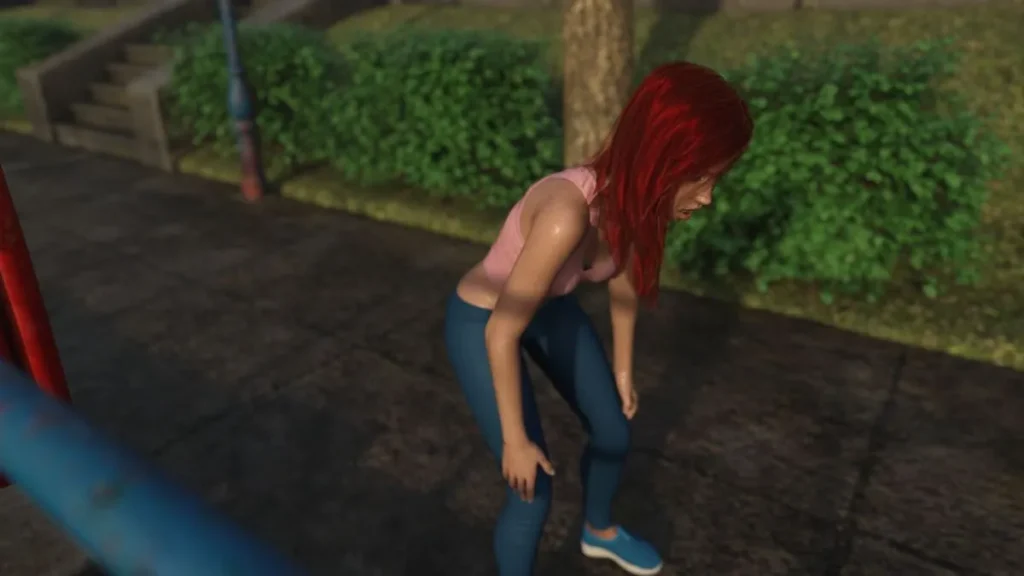
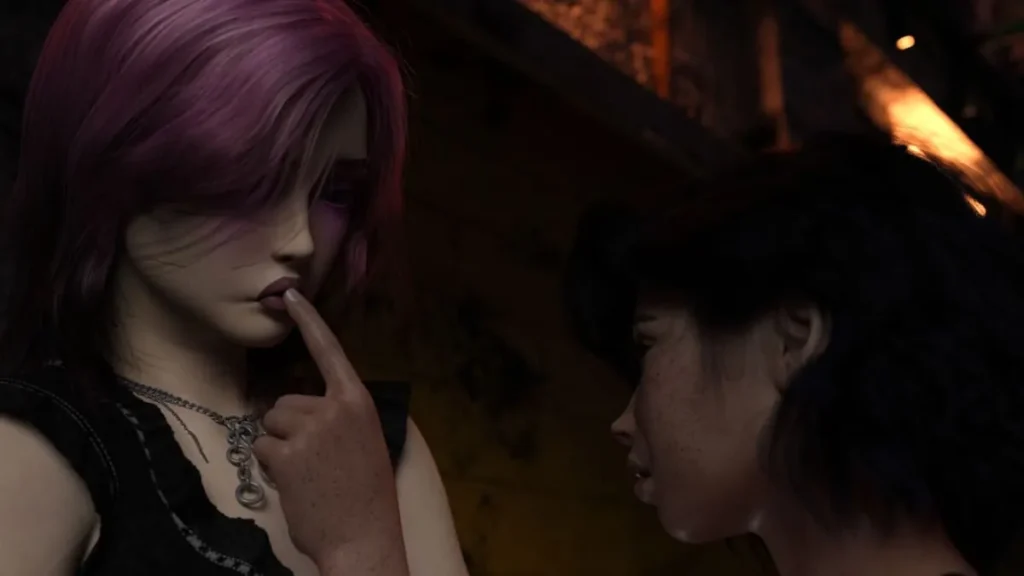
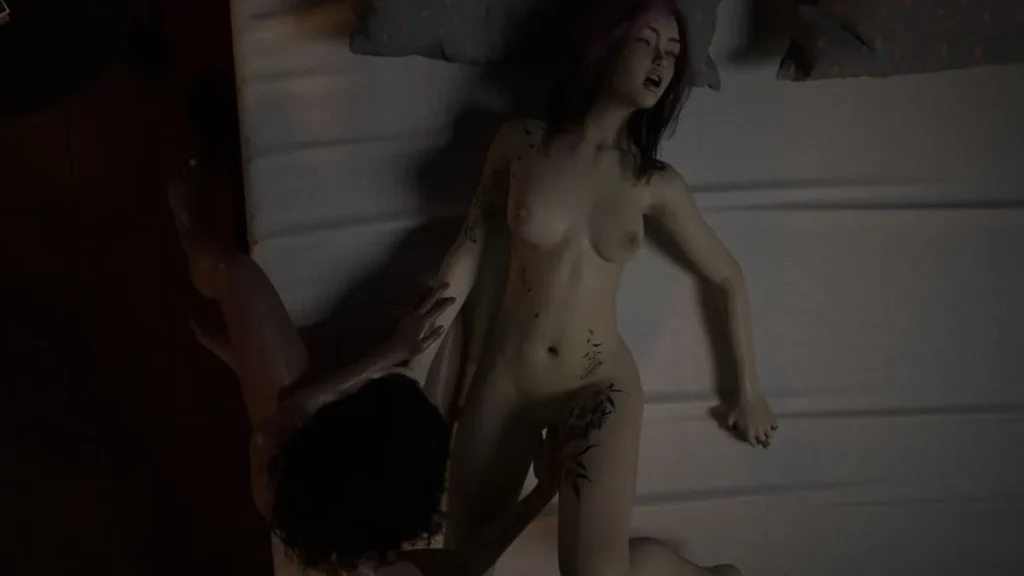
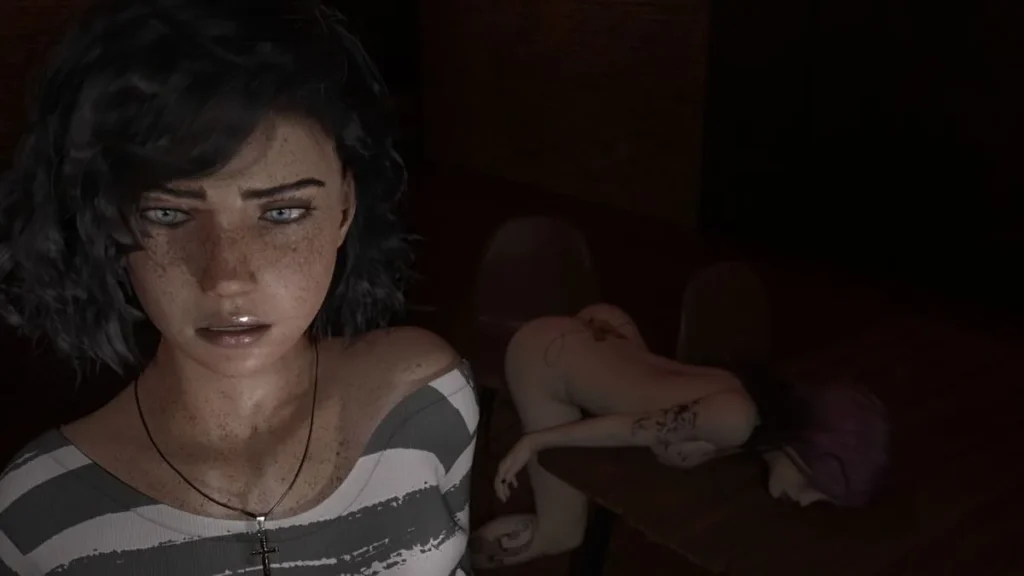

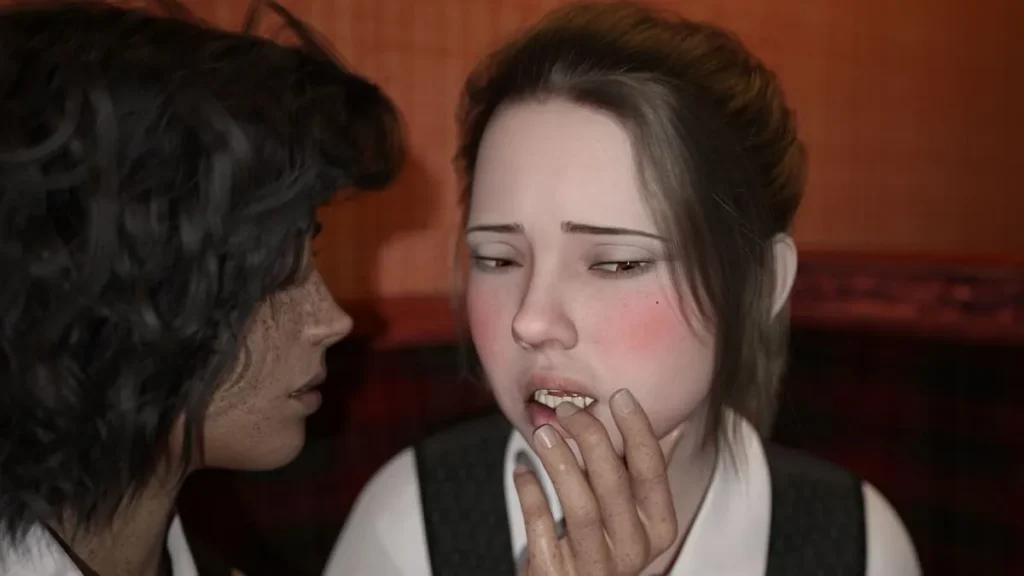
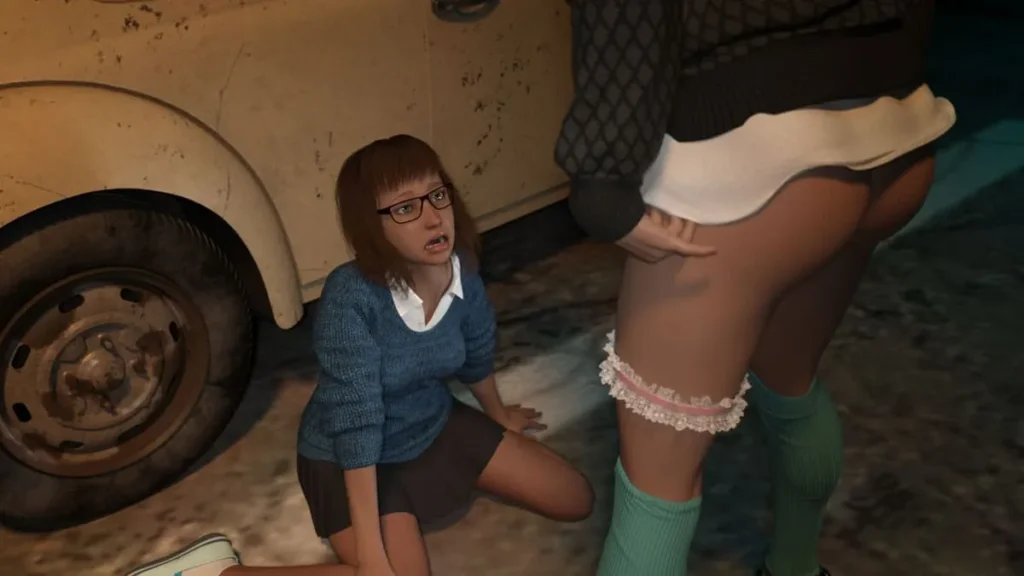
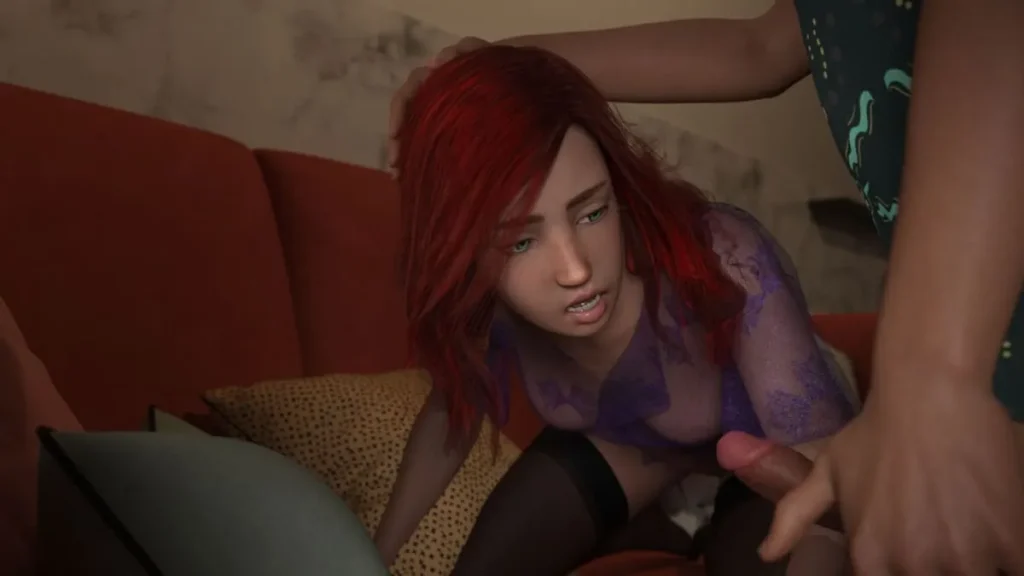
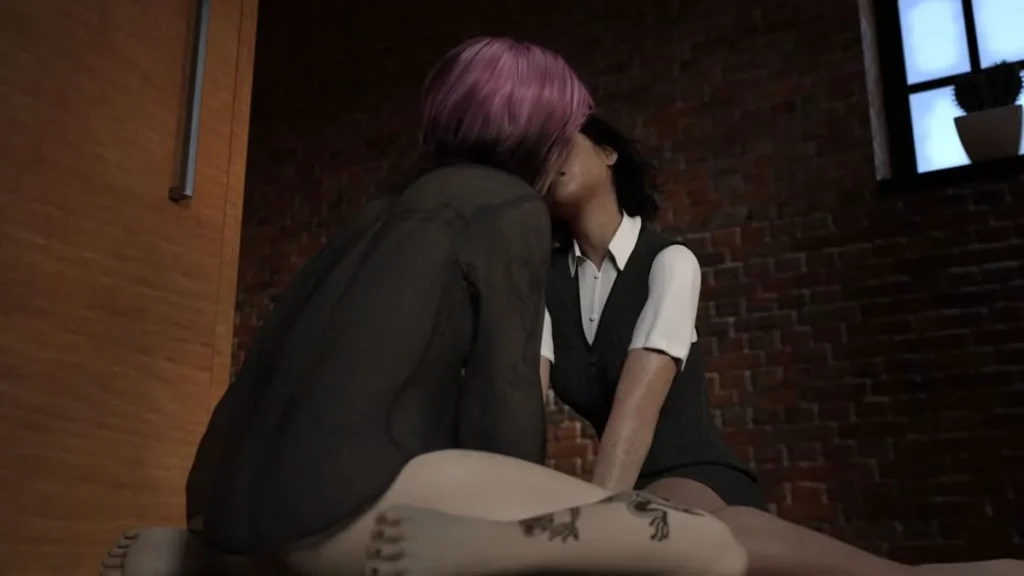
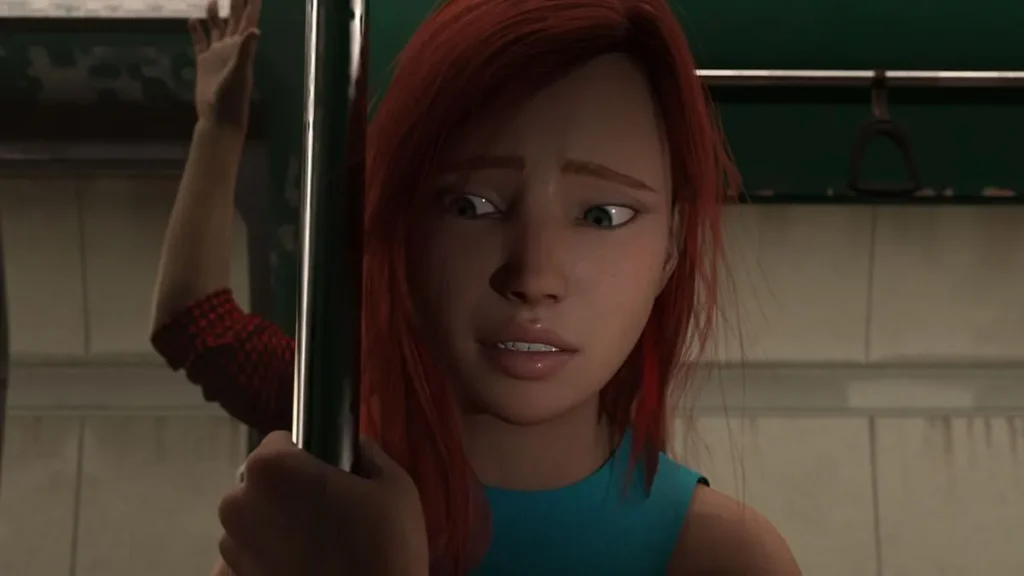
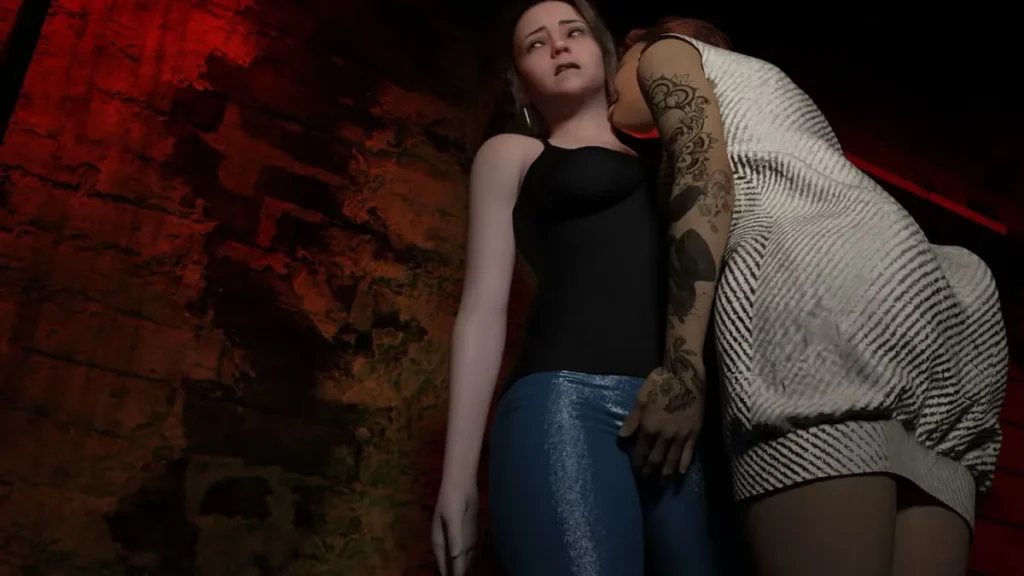
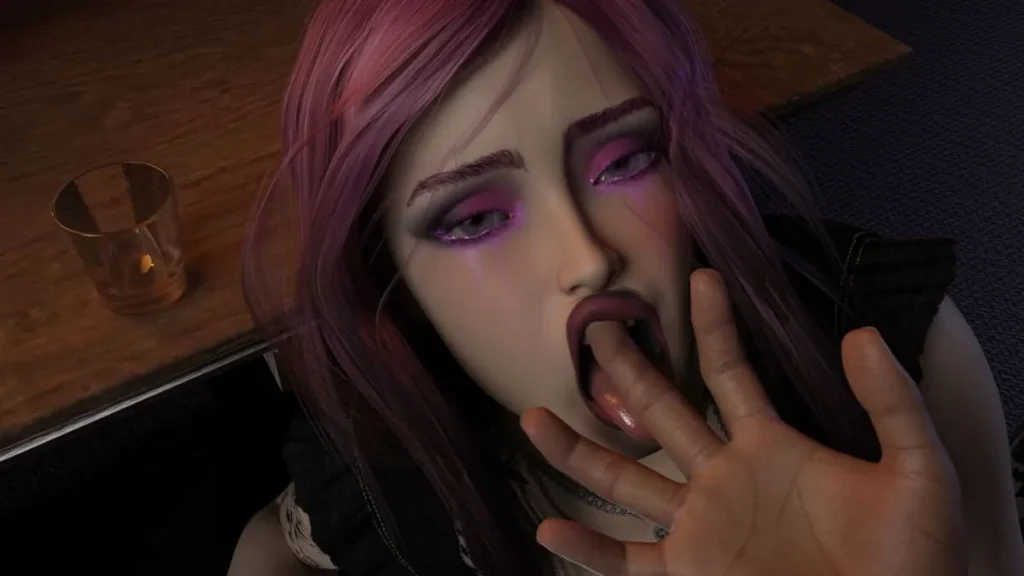
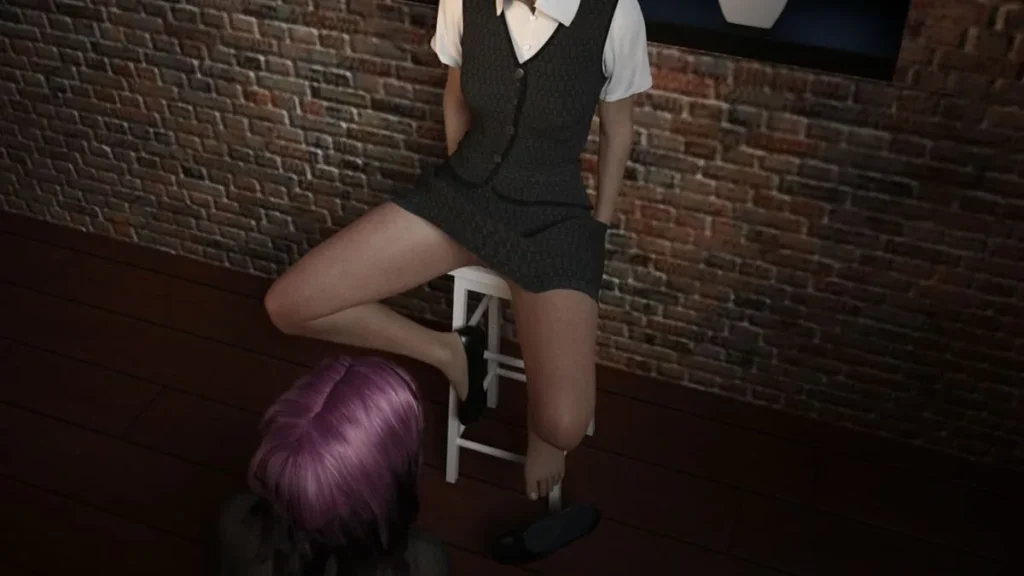
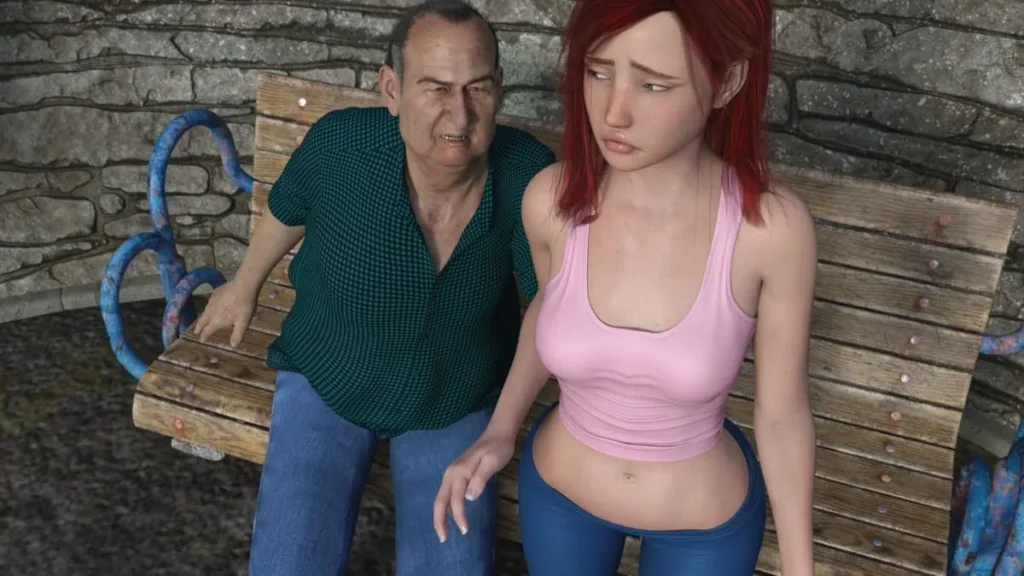
The Theater of Sinners review
Dive into the twisted tales of humiliation and choice in this gripping Ren’Py game
Ever stepped into a world where every choice drags you deeper into a web of humiliation, corruption, and blurred morals? That’s The Theater of Sinners, the Ren’Py visual novel by JustXThings that’s gripping players with its psychological horror and intense narratives. I first stumbled upon it during a late-night scroll through itch.io, drawn by promises of non-linear stories featuring protagonists like Paula and Rebeca facing brutal realities. Version 0.3 Alpha 1 delivers branching paths, rich character development, and kinks like BDSM and forced encounters that make every playthrough uniquely punishing. If you’re into decision-driven games blending fantasy horror with raw human struggles, this guide uncovers why The Theater of Sinners game is a must-play. Stick around as I share my playthrough insights and tips to navigate its shadows.
What Makes The Theater of Sinners Storyline So Addictive?
I still remember my first time hitting ‘Start’ on The Theater of Sinners. I thought I was in for a spooky, straightforward tale. An hour later, I was completely lost in its web, my notebook filling with scribbles as I tried to map the connections between past and present, choice and consequence. That’s the magic trick this game pulls off. What is The Theater of Sinners about at its core? It’s about the haunting echoes of our past and the brutal price of every attempt to escape them. This psychological horror visual novel doesn’t rely on jump scares; it builds a deep, atmospheric dread that settles in your bones, making the Theater of Sinners storyline utterly impossible to put down. 😨
The genius lies in its structure. We don’t just follow one story; we navigate the interleaved, non-linear tales of four protagonists, each trapped in their own cycle of abuse and humiliation. The narrative jumps between timelines and perspectives, using flashbacks not as simple exposition, but as visceral, playable fragments of trauma that directly inform who these characters are in the present. You don’t just learn about their pain—you experience its formation. This mosaic approach to storytelling is what makes understanding The Theater of Sinners characters so compelling and morally complex.
Who Are Paula and Rebeca in The Theater of Sinners?
To grasp the heart of this world, you need to understand two of its most tragically mirrored souls: Paula and Rebeca. Their stories are a masterclass in how environment twists fate.
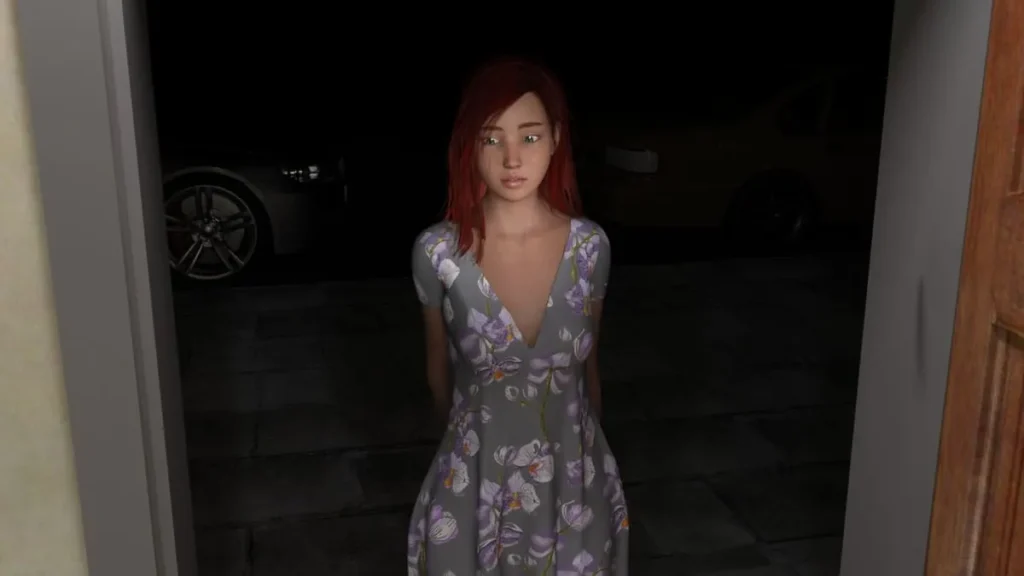
Paula is the daughter of a powerful, wealthy figure, but that privilege is a gilded cage. She faces relentless bullying from delinquents, a cruelty that systematically breaks her down and pushes her toward deviance. Her path is a terrifying exploration of how victimhood can curdle into something else entirely when the only power you can grasp is a destructive one. You watch, choice by choice, as the pressure molds her.
Then there’s Rebeca. Her world is the polar opposite—a life shaped by an addict mother and a violently abusive stepfather. Her survival instincts are honed in a war zone of a home, and the tragedy of her arc is that in fighting to escape what she despises, she often becomes a reflection of it. The writing for Paula and Rebeca is raw and unflinching, forcing you to confront the “why” behind actions that are hard to watch. 😢
They are prime examples of the game’s central theme: moral ambiguity in games. There are no pure heroes or simple villains here. Every character is a product of their damage, and your role is to navigate the murky gray areas where their paths collide.
How Do Decisions Shape the Harsh Outcomes?
This is where The Theater of Sinners truly sinks its hooks into you. Every dialogue choice, every action, is a ripple in a very dark pond. The game uses a stat system—influencing traits like Empathy, Defiance, or Submissiveness—that silently governs the branching paths available to you.
As one developer insight puts it, the focus is on “the dynamics of abuse, humiliation, sadism, masochism, and twisted romance.” Your decisions directly engage with these fraught dynamics.
A seemingly minor choice to offer a hesitant word of kindness might quietly raise a “Compassion” stat, unlocking a dialogue option hours later that prevents a catastrophic breakdown. Conversely, a choice to snarl back in defiance might feel good in the moment but could lock you onto a harsher, more brutal narrative branch.
Let me give you a story from my playthrough. Early on with one character, I was given the option to either openly challenge a bully or to quietly take the humiliation. Thinking I was being strategic, I chose to take it. To my shock, this wasn’t seen as wisdom, but as cowardice by another character watching from the shadows. It bred contempt, and later, when I needed an ally, they refused. The game remembers everything. Your decisions don’t just change events; they redefine relationships and reshape the very psyche of the characters you control.
My practical advice? On a first run, don’t stress about a “perfect” playthrough. Instead, focus on playing events that raise key stats. Talk to everyone, explore every corner. This builds your character’s internal resilience, giving you more tools for subsequent playthroughs. And savor the dialogue! A single line can be layered with implication, hinting at past trauma or future betrayal.
| Your Decision Influences… | Which Can Lead To… |
|---|---|
| Stat Growth (Empathy, Courage, etc.) | Unlocking new dialogue options and pivotal story branches. |
| Relationship Milestones | Unexpected alliances, deep betrayals, or shifts in power dynamics. |
| Character Psychology | Paths toward fragile redemption or spiraling further into damage. |
Unpacking the Psychological Horror Elements
Forget monsters in closets. The psychological horror visual novel experience here is crafted from something far more relatable and terrifying: the human mind under duress. The Theater of Sinners builds dread through:
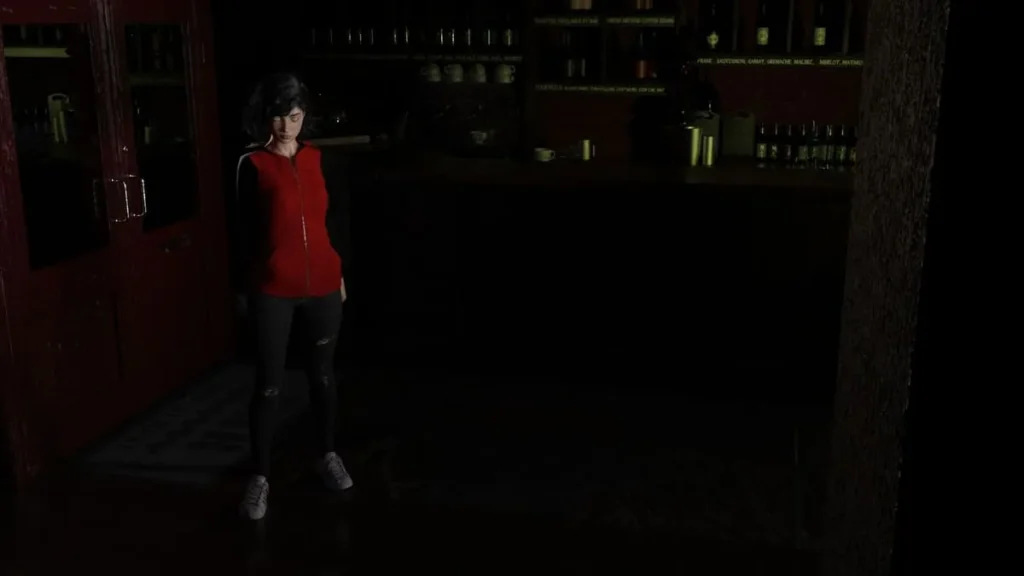
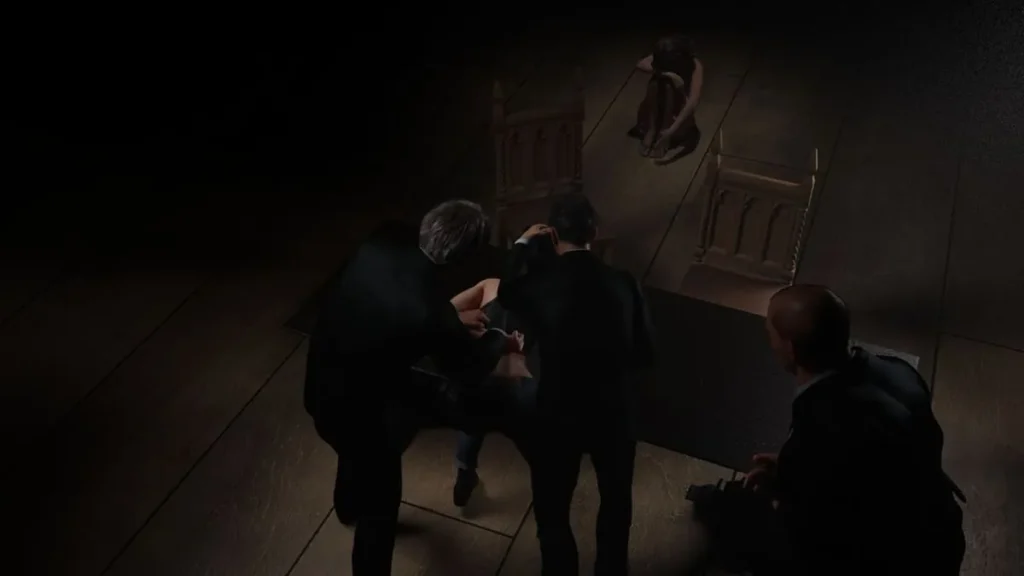
- Atmospheric Dread: The art and sound design create a constant, low-grade anxiety. A shadowed hallway, a tense piece of music, a character’s too-long silence—it all builds a world that feels perpetually unsafe.
- Character-Driven Plots: The horror emerges from watching people you come to know make terrible choices or have terrible things happen to them. You see the logic in their desperation, which makes it all the more unsettling.
- Cycles of Pain: The narrative structure itself is a horror device. Flashbacks show you the origin of a trauma, and then you live its endless repetition in the present, creating a feeling of inescapability.
- The Weight of Guilt: As the player, your choices carry a heavy burden. Witnessing a dire consequence of your earlier decision creates a unique form of horror—one where you are intimately complicit.
The realism is what seals the deal. The facial expressions, the subtle shifts in body language during conversations—they feel heartbreakingly authentic, as if drawn from real emotional experience. This authenticity is what makes the Theater of Sinners storyline so immersive. When a character flinches, you feel it. When they dissociate to survive a moment, the screen blurs, and you are right there with them. 🎭
So, why does The Theater of Sinners stand out in a sea of visual novels? It’s because it respects your intelligence and emotional stamina. It doesn’t offer easy answers or clean resolutions. It presents a tangled web of damaged lives in a psychological horror visual novel framework and asks you to find a path through the darkness. The richness of the Theater of Sinners characters, the cunning design of its branching Theater of Sinners storyline, and its fearless commitment to exploring moral ambiguity in games create an experience that is less about “winning” and more about understanding—even when that understanding is profoundly painful. That’s the addiction. That’s the grim, captivating theater you can’t leave.
From the shadowed halls of the Grand Théâtre des Ombres to the raw struggles of Paula, Rebeca, and their entangled fates, The Theater of Sinners masterfully weaves humiliation, corruption, and choice into a visual novel that lingers long after the credits. My own dives into its branches taught me that no decision is trivial—each one echoes with consequence, pulling you into a world of psychological depth and dark thrills. Whether you’re chasing redemption arcs or embracing the brutality, this Ren’Py gem delivers unpredictability and immersion. Ready to direct your own twisted performance? Download version 0.3 Alpha 1 from itch.io today, savor the dialogue, and share your wildest playthrough stories in the comments—I’d love to hear how your choices unfolded.