Shut Up and Dance
Play Shut Up and Dance
Shut Up and Dance Screenshots






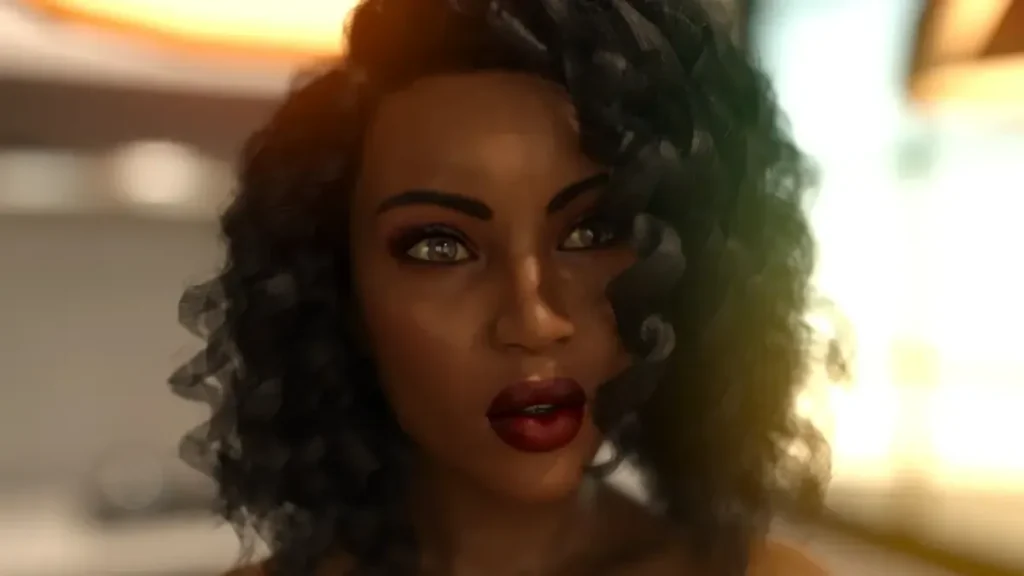



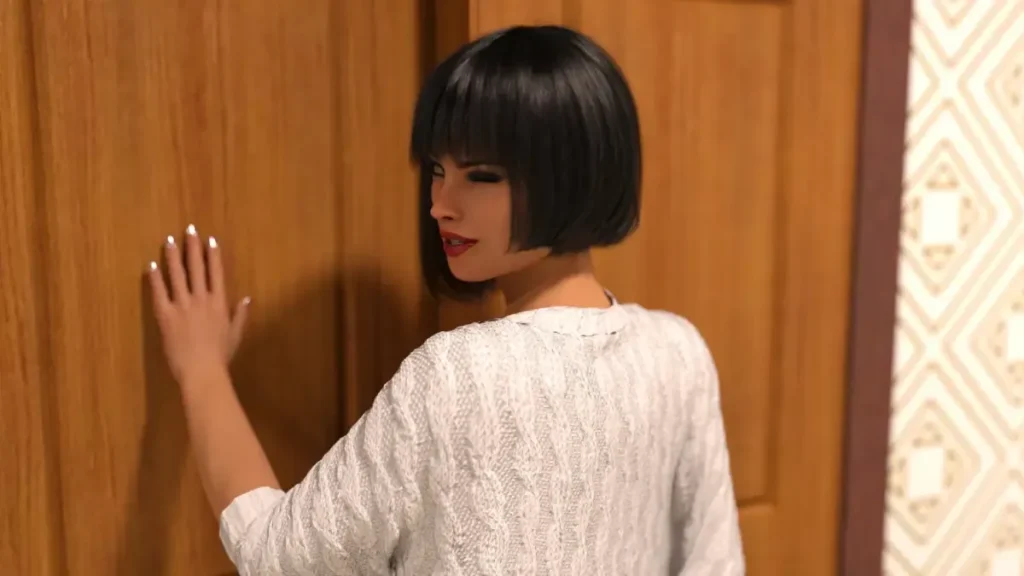

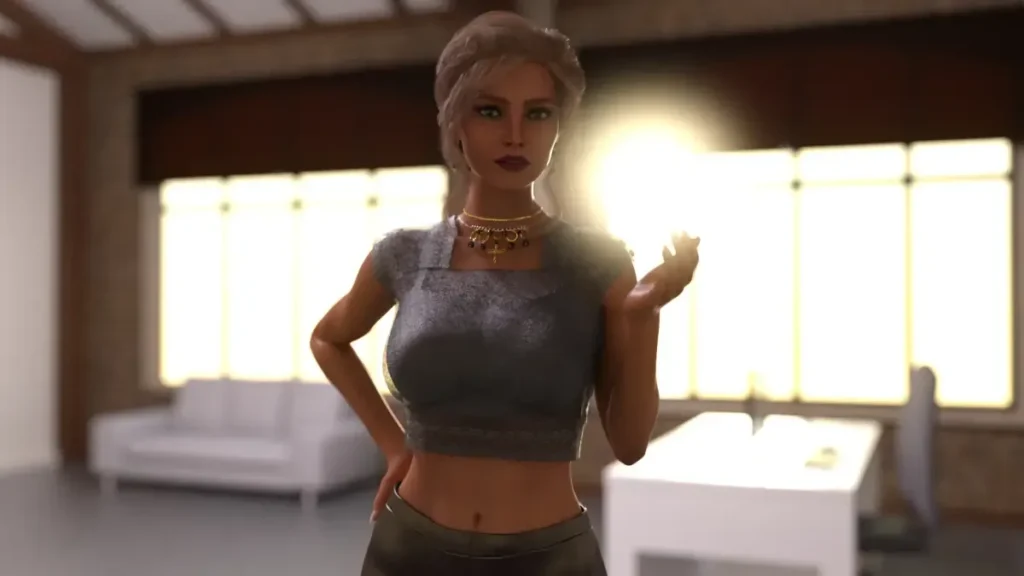
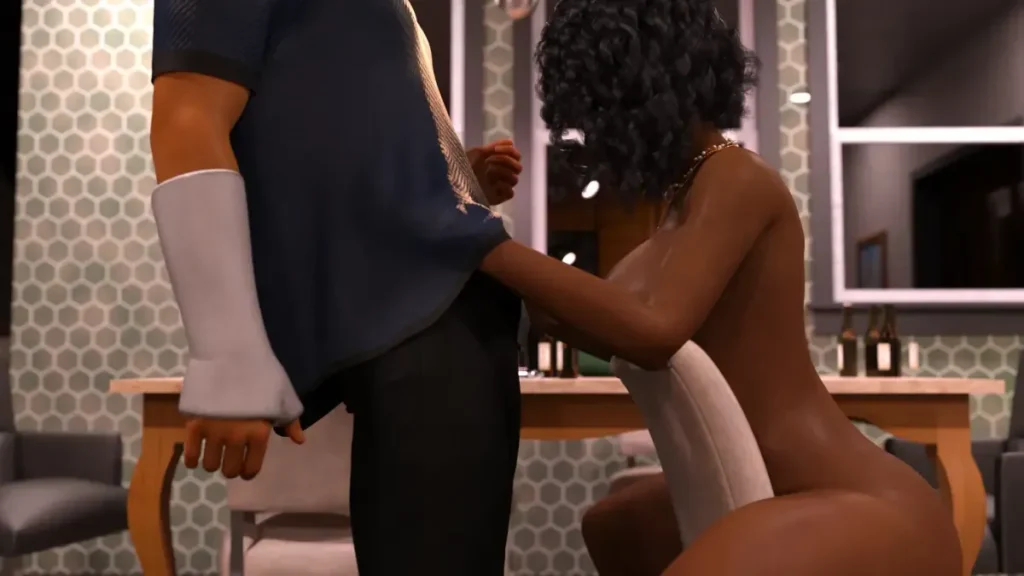





Shut Up and Dance review
A practical, player-focused breakdown of Shut Up and Dance (the game)
Shut Up and Dance is a narrative-driven adult-oriented game with branching choices and animated scenes that has attracted players for its story and visual presentation. This article focuses exclusively on the game, offering a hands-on guide from a player’s perspective, with concrete tips, example playthrough notes and personal observations to help you get the most from the experience. Whether you want a spoiler-free primer or a deep walkthrough, this piece will walk you through core systems, decision points, and how to reach different outcomes.
Overview: Story, Tone, and Game Structure
Let’s cut right to the chase. If you’re here, you’ve probably heard the buzz about Shut Up and Dance, the narrative experience that’s more interactive thriller than traditional game. Maybe a friend whispered, “You have to play this,” or you saw it pop up in a curated list of must-try stories. Whatever the path, welcome. You’re in for one heck of a ride. 😮💨
My first time booting it up, I was expecting… well, I’m not sure what I was expecting. Something slower, maybe. A calm setup. What I got was a punch to the gut disguised as a normal afternoon. Within minutes, the game yanked me out of passive observer mode and shoved me right into the headspace of a teenager making a terrible, panic-driven decision. The pacing was relentless, and the presentation—so deceptively simple with its chat windows and webcam views—made the dread feel horrifyingly real. That opening shaped everything for me; I learned quickly that this wasn’t a game about winning, but about surviving the consequences of every single click.
So, what exactly is this thing? This chapter is your down-to-earth Shut Up and Dance game overview. We’ll peel back the layers on the story, meet the poor soul you control, break down how the experience is structured, and, crucially, talk about the heavy stuff it carries. Consider this your guided tour before you step into the storm. ⛈️
What the story follows and main characters
At its heart, the Shut Up and Dance story summary is brutally simple: it’s about getting caught. You play as a young man named Kenny, a seemingly ordinary teenager working a dull job at a restaurant. During a quiet moment at home, he makes a private… mistake online. In an instant, his computer screen is hijacked. A message appears: “WE SAW YOU.” The sender has a recording of his indiscretion and threatens to send it to everyone in his life unless he follows a series of increasingly bizarre and dangerous instructions.
And just like that, you’re off. The plot follows Kenny’s desperate, real-time odyssey through his town as he becomes the puppet of these anonymous hackers. It’s a cascade of awful tasks, each one eroding his dignity and safety a little more. The genius of the narrative is how it uses interactivity—your control—to make you complicit. You’re not watching Kenny panic; you’re making him open that door, send that text, or take that item.
The cast is small but impactful:
* Kenny (The Protagonist): He’s you. Or rather, you are him. His personality is largely defined by your protagonist choices—do you obey quickly, hesitate in fear, or rebel in frustration? His backstory and relationships are slowly revealed through phone calls with his mom and sister, adding heartbreaking layers to the chaos.
* The Hackers (The Antagonists): Never seen, only heard through typed messages and distorted voices. They are an omnipresent, merciless force, manipulating not just Kenny but, as you’ll discover, others in similar traps.
* The “Co-Workers”: On his journey, Kenny crosses paths with other people being blackmailed. These tense, unpredictable encounters are where the game truly shines, creating alliances forged purely from mutual terror. Characters like Bronca, a gruff man you meet at a specific location, become critical pieces of the unfolding nightmare.
This isn’t a tale of heroes and villains in a traditional sense. It’s a bleak examination of pressure, shame, and what people are capable of when they have everything to lose.
How the game is organized: chapters, scenes, and choice nodes
Understanding the game structure scenes chapters of Shut Up and Dance is key to appreciating its relentless pressure. This isn’t an open-world adventure; it’s a tightly wound cinematic nerve, divided into distinct segments that flow in real-time.
The experience is split into several acts, each representing a major phase of Kenny’s ordeal. Think of them as chapters in a pressure cooker of a novel. Within each act, you have scenes—specific locations or sequences, like “The Restaurant,” “The Car,” or “The Forest.” The transition is often seamless, keeping you locked in Kenny’s perspective.
Interaction is where you live or die. You’re presented with choice nodes, which are the core decision points. These aren’t grand “Save the Kingdom or Burn it Down” picks. They are agonizingly mundane yet critical:
* Timed Choices: Many decisions have a countdown. Do you reply to your mom’s worried text, or does the timer run out? The hackers are watching, and hesitation is a choice in itself.
* Inventory & Object Interaction: You’ll often need to find and use items in your environment. The game doesn’t hold your hand; you must examine the scene, pick up what seems relevant, and apply it correctly. A wrong move can lead to a dead end or, worse, escalation.
* Animated Sequences: After key choices, the game often transitions into short, scripted animations. These are the payoff—the consequence of your decision playing out. They are usually tense, sometimes violent, and always story-critical. You trigger them by simply reaching that point in the narrative branch; there’s no separate “action button.”
To help visualize the journey, here’s a breakdown of the major structural beats:
| Act / Chapter | Approximate Playtime | Key Turning Point / Location |
|---|---|---|
| The Setup & First Task | 15-25 mins | Kenny’s home, the initial blackmail, and the first errand. The tone is set. |
| The Unlikely Partnership | 30-45 mins | Meeting another victim. The scope of the hackers’ operation widens dramatically. |
| The Dangerous Delivery | 20-35 mins | A high-stakes task that pushes Kenny into overtly criminal territory. |
| The Climax & Aftermath | 25-40 mins | The final, brutal assignment and the shocking revelations that follow. |
This structure creates a breathless pace. There are no side quests, no pause menus to collect your thoughts for long. You are in Kenny’s shoes, minute by terrible minute.
Tone, content warnings, and target audience
Let’s be unequivocally clear: Shut Up and Dance is not a game for everyone. Its power is derived from its willingness to go to dark, uncomfortable places. Before we talk about who it’s for, we need to address the content warnings mature themes head-on. 🚨
The tone is one of pervasive dread, paranoia, and moral decay. It feels less like a superhero comic and more like a particularly grim episode of Black Mirror. The music is minimal, often just the hum of a computer or the sound of traffic, which makes the moments of crisis hit even harder. It’s psychologically exhausting in a way that’s deliberately crafted.
As for mature themes, the game engages with:
* Psychological Terror and Blackmail: The entire premise.
* Violence: There are scenes of physical confrontation, some of which are quite intense and graphic.
* Strong Language: Consistent throughout.
* Disturbing Revelations: The narrative’s conclusion involves shocking twists about the characters’ secrets that deal with morally and legally reprehensible subject matter. This is the big one. The game forces you to re-evaluate everything you’ve done and whom you’ve been rooting for.
My personal advice? If you are sensitive to narratives about manipulation, extreme pressure, or taboo crimes, you may want to experience this story by watching a playthrough instead of controlling it yourself. The interactivity is the point, but it’s also what makes it so potent and potentially upsetting.
So, who is the target audience? 🤔
* Players who love narrative-driven games where choices have weight.
* Fans of psychological thrillers and bleak, thought-provoking stories.
* Anyone interested in modern digital horror—the fear that comes from our phones and webcams.
* It’s perfect for a single, impactful playthrough on a quiet night. You’ll likely need to decompress afterward.
Finally, a quick note on setup: you won’t need a gaming rig to run this. The system requirements are very modest—any relatively modern computer should handle it without issue. The real requirement is emotional preparedness. You don’t just install this game; you brace yourself for it.
There you have it—your Shut Up and Dance game overview stripped bare. You now know the score: a gripping, horrifying Shut Up and Dance story summary, a game structure that keeps you on a knife’s edge, characters born from desperation, and themes that will stick with you long after the screen goes black. Understanding this framework isn’t about spoiling the experience; it’s about preparing you to engage with it fully, to make those protagonist choices with open eyes. Now, if you’re ready… it’s time to see what happens when you’re told to shut up and dance. 💻
Shut Up and Dance rewards curiosity and careful save management: its branching narrative and animated scenes mean small choices have outsized effects, so plan playthroughs around the outcomes you want to see. Use the walkthrough and mechanics chapters to map decision chains, rely on the practical tips for efficient scene collection, and explore community resources if you need technical help or alternative content. If you found this guide useful, try a fresh playthrough using the suggested save points and share your experience in community discussion spaces to compare routes and discoveries.