Short Sad Stories
Play Short Sad Stories
Short Sad Stories Screenshots
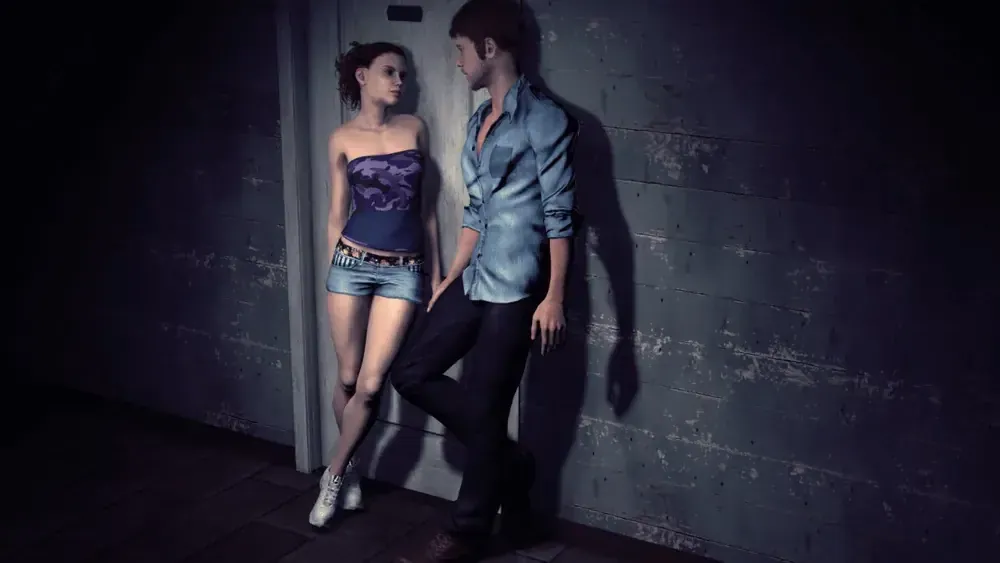

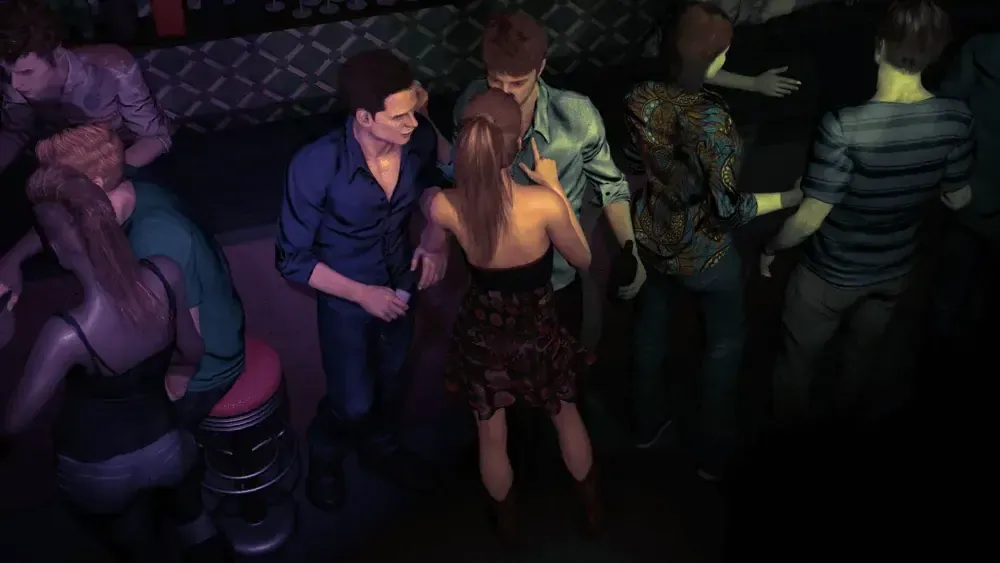
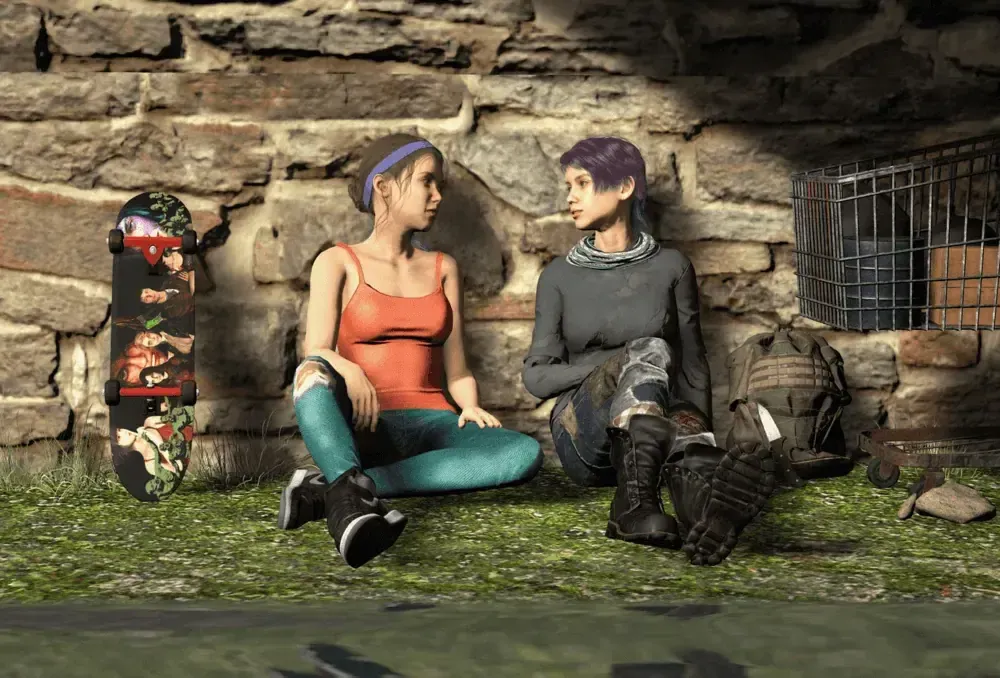
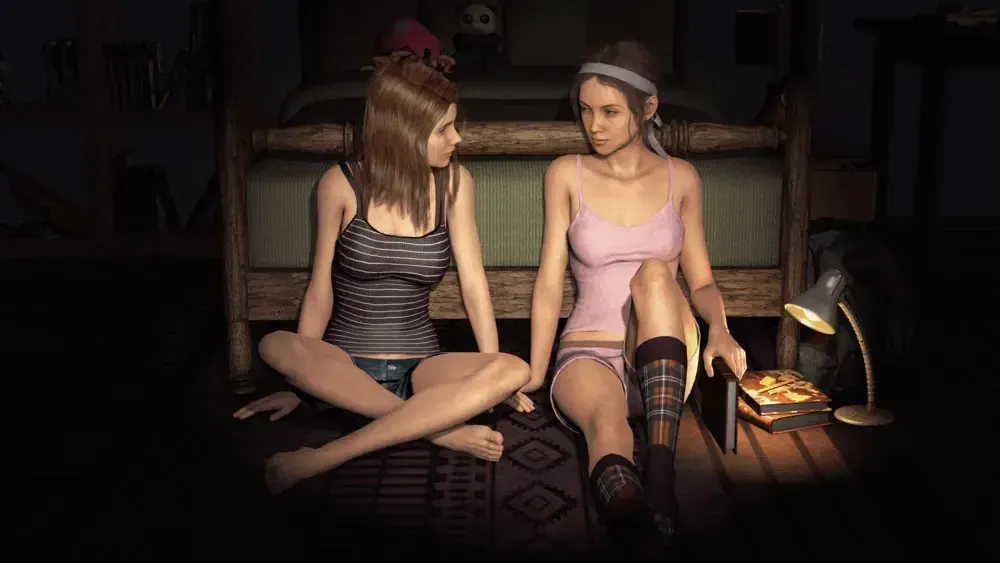
Short Sad Stories review
An in-depth look at the Short Sad Stories game: narrative, mechanics, tips and player reflections
Short Sad Stories is an interactive narrative game that foregrounds emotional storytelling and quiet player actions to deliver poignant, reflective experiences; this article explores the game’s narrative design, core mechanics, and the reasons it resonates with players. In my first playthrough I remember pausing at a slow animation where the only option was to put a photograph in a box — that small act anchored the whole chapter and made the story land on me in a way conventional games rarely do. In this guide I break down what makes Short Sad Stories distinct, offer practical tips for getting the most from play sessions, and share personal insights drawn from hands-on time with the game.
What Is Short Sad Stories? Narrative Premise and Themes
Let’s be honest, most games are about saving the world, getting the high score, or conquering the final boss. But what about saving a memory? Or conquering a quiet feeling? That’s the space where Short Sad Stories lives. It’s an emotional indie game that trades epic quests for intimate moments, asking you not to win, but to witness. Developed with a palpable sense of care, this game presents itself as a collection of vignettes—each a self-contained pocket of feeling centered on life’s quieter, often painful, transitions.
If you’re coming from action-packed titles, this might feel disorienting at first. There’s no health bar, no skill tree, no “Game Over” screen. Instead, you step into a series of beautifully melancholic scenes where your role is to interact, observe, and ultimately, feel. The Short Sad Stories narrative structure is intentionally fragmented, like pages pulled from different diaries, and it’s this very design that pulls you into its deeply personal world. It’s a prime example of an interactive storytelling game that uses its mechanics solely in service of emotion.
Core premise and structure
So, how does the Short Sad Stories game actually work? Think of it as a playable short story collection. You don’t control a single character through a grand plot. Instead, each session drops you into a new, often nameless, scenario. One moment you might be in a sparse apartment at dusk, the next in a childhood backyard, or sitting in a stationary car as rain streaks the windshield. 🏠
The timeline is non-linear, and the connections between scenes are thematic rather than literal. You are piecing together an emotional puzzle, not a chronological one. This format is genius because it mirrors how memory itself works—in flashes, in feelings, in disconnected images that hold profound weight. The memory-driven gameplay isn’t about unlocking a literal memory bank; it’s about the act of remembering. You’re engaging with the ghosts of moments, interacting with the artifacts left behind.
The controls are deliberately simple: you can walk, look, and pick up or manipulate a small number of objects in each scene. Your goals are never spelled out with a quest log. Your objective is simply to be present and to explore the space until the scene reaches its natural, often poignant, conclusion. This structure turns every playthrough into a personal journey, where the story is as much about what you bring to it as what’s on the screen.
Recurring themes and emotional beats
If the structure is the skeleton, the themes of loss in games are the heartbeat of Short Sad Stories. This isn’t about catastrophic, world-ending loss, but the personal kind that shapes a life. The game explores a tapestry of quiet griefs:
- Loss and Absence: Empty chairs, unplayed instruments, a single set of keys on a hook. The game masterfully illustrates loss not by showing the event, but by showing the hollow space it left behind.
- Regret and Missed Chances: Flickering scenes often hint at words unsaid or paths not taken. You feel the weight of the “what if” hanging in the air, almost as a tangible object you could pick up.
- Memory as a Physical Space: Rooms transform, objects fade in and out, and environments shift subtly. This directly ties to the memory-driven gameplay, showing memory as unstable, beautiful, and painful all at once.
- Acceptance and Letting Go: This is the quiet hope woven through the sadness. Many vignettes aren’t about drowning in grief, but about the small, courageous act of moving with it—of packing a box, of leaving a room, of looking at a photograph without turning away.
The writing supports these themes through breathtaking minimalism. There’s very little text or dialogue. Instead, the environment is the narrative. The way light slants through a dusty window, the repetitive sound of a ceiling fan, the specific placement of a coffee mug on a counter—everything is a sentence in the story. 🕯️ The pacing is slow, almost meditative, forcing you to sit with the atmosphere. This minimalism creates a powerful affect; it doesn’t tell you how to feel, it constructs a space where your own emotions naturally rise to the surface.
To illustrate, imagine a scene where you can only interact with a few items on a desk. A letter you can’t open, a pen, and an empty picture frame. The story isn’t in the text of the letter; it’s in the tension of your cursor hovering over it, in the finality of the empty frame, in the quiet decision to put the pen down. That’s the Short Sad Stories narrative in a nutshell.
Why the game focuses on small actions
This brings us to the most profound design choice: the focus on tiny, mundane interactions. Why design an entire interactive storytelling game around picking up a teacup or smoothing a wrinkled bedsheet? Because in the landscape of grief and memory, these are the monumental tasks.
In most games, a button press translates to an action of power: shoot, jump, sprint. In the Short Sad Stories game, a button press is an action of attention: touch, observe, place. This flips the entire script of player agency. Your goal shifts from “accomplish” to “acknowledge.” You’re not leveling up a character; you’re paying respects to a moment.
| Conventional Game Goal | Short Sad Stories Goal |
|---|---|
| Defeat the enemy | Understand the absence |
| Solve the puzzle to progress | Interact with the object to feel |
| Collect resources to win | Witness the scene to complete it |
| Master mechanics for advantage | Embrace slowness for reflection |
This design philosophy creates some of the game’s most powerful moments. I remember one specific vignette where I was in an attic. The only clear task was to place a few final items into a cardboard box. That was it. One item was a small, worn stuffed animal. Picking it up and moving it into the box felt impossibly heavy. In that silence, with no music swelling, the action itself was the story—the quiet act of putting a piece of the past away.
“I spent a good minute just holding that virtual toy bear before placing it in the box. There was no reward, no achievement pop-up, but it felt like the most important thing I’d done in a game all week. It wasn’t fun; it was significant.”
This is why the small actions work. They are rituals. They give you a way to physically participate in an emotional process, making the themes of loss in games something you don’t just see, but something you do. It turns passive sadness into active, empathetic engagement.
Who is this game for, and what should you expect?
The Short Sad Stories game won’t be for everyone, and that’s okay. It’s a specific, deliberate experience. You will likely appreciate this emotional indie game if:
- You view games as a medium for art and personal reflection.
- You enjoy narrative-driven experiences like What Remains of Edith Finch or Gone Home.
- You’re not afraid of—or are even seeking—a somber, contemplative mood.
- You appreciate environmental storytelling and piecing together tales from clues.
Emotionally, you should expect to be moved, but perhaps not in a loud, dramatic way. Expect a lingering, gentle melancholy. Expect to sit back after a 15-minute vignette and just think for a while. This isn’t a game you “beat”; it’s a game you feel and then carry with you. The Short Sad Stories narrative succeeds because it trusts you with its quietness and rewards your attention with profound, human moments. It’s a beautiful reminder that in games, as in life, the smallest actions can hold the biggest meanings. 💫
Short Sad Stories offers a compact but powerful interactive experience that prioritizes emotional clarity over traditional gameplay ambitions; through restrained writing, deliberate pacing, and intimate interactions it creates moments that linger. Throughout this guide I covered the game’s premise and themes, detailed how its mechanics shift player goals from winning to witnessing, analyzed its craft, offered non-spoiler walkthrough guidance, and summarized common player reactions. If you’re curious, try a focused play session with attention to small interactions and then revisit key chapters to discover new details — and consider sharing your reflections with other players.