RSSU – Retro Style Soviet Undies – Case#1 Ithaca Project
Play RSSU – Retro Style Soviet Undies – Case#1 Ithaca Project
RSSU – Retro Style Soviet Undies – Case#1 Ithaca Project Screenshots





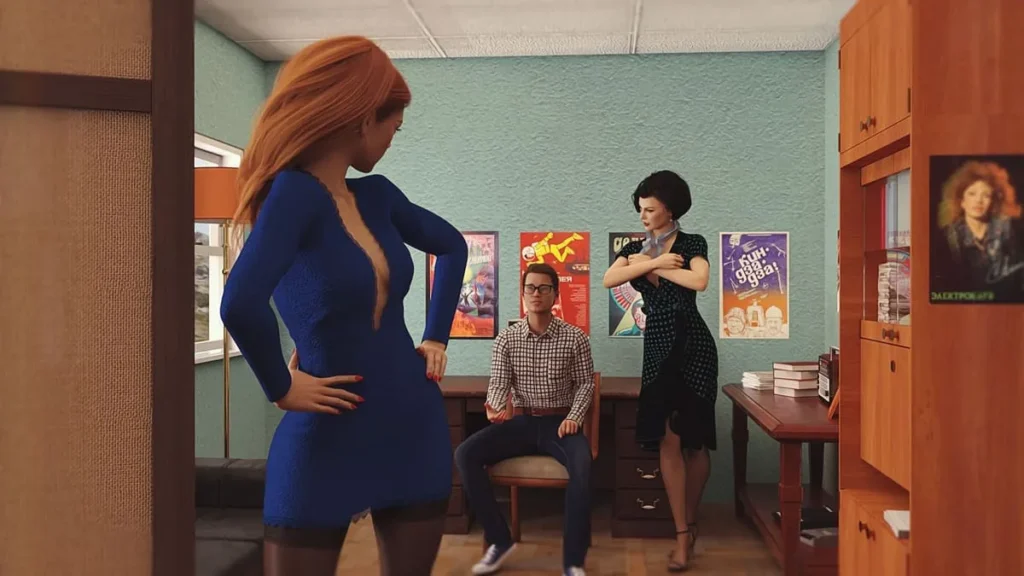





RSSU – Retro Style Soviet Undies – Case#1 Ithaca Project review
Explore the 1980s USSR Setting, Gameplay Mechanics, and Unique Visual Novel Experience
RSSU – Retro Style Soviet Undies – Case#1 Ithaca Project stands out as a distinctive visual novel experience that transports players to the 1980s USSR. This game combines engaging storytelling with a unique historical setting, following a young graduate navigating corporate life while encountering various adventures. The retro aesthetic and authentic 80s Soviet atmosphere create an immersive backdrop rarely seen in visual novels. Whether you’re drawn to historical settings, engaging narratives, or the novelty of exploring Soviet-era culture through interactive fiction, this game offers something genuinely different. Understanding what makes RSSU special helps players appreciate its creative approach to world-building and character development.
Understanding RSSU – Retro Style Soviet Undies – Case#1 Ithaca Project: Setting, Story, and Gameplay
Ever feel like every visual novel you pick up is set in the same high school, fantasy tavern, or cyberpunk alleyway? 🙄 You start a new game, and within minutes, you’re already predicting the tropes. It can get a bit… samey. That’s exactly why I nearly did a double-take when I first booted up RSSU – Retro Style Soviet Undies – Case#1 Ithaca Project. Instead of magical girls or brooding detectives, I was handed a briefcase and a placement letter for a state-owned textile factory in 1986. I was instantly, utterly sold.
This isn’t just a change of wallpaper. It’s a full-blown, meticulously crafted portal to a different time and place. The 1980s USSR visual novel setting is the game’s brilliant, beating heart, offering a retro Soviet atmosphere game experience you simply cannot find anywhere else. It trades generic hallways for communal apartment corridors and student councils for the baffling bureaucracy of a planned economy. If you’re hungry for a narrative that feels truly original, buckle up. We’re diving deep into the world, story, and mechanics that make this project so uniquely captivating.
The 1980s USSR Setting and Historical Atmosphere
Forget what you know about visual novel backdrops. RSSU Retro Style Soviet Undies Case 1 Ithaca Project doesn’t just use the Soviet Union as a quirky aesthetic; it builds its entire identity around the tangible, often absurd, reality of the era. This is a world of contradictions—of faded idealism, persistent shortages, and the dark humor needed to navigate it all. 🏢🥫
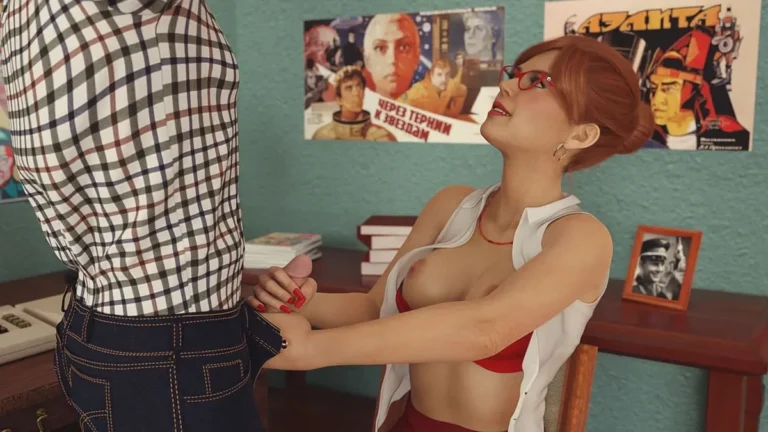
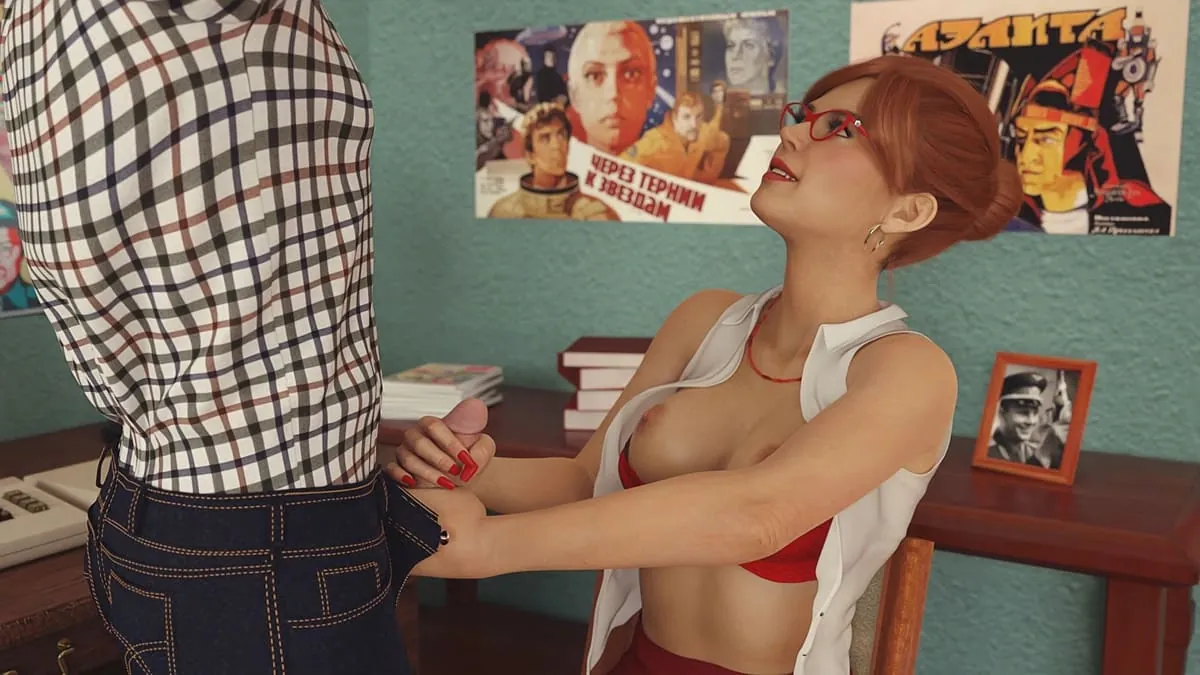
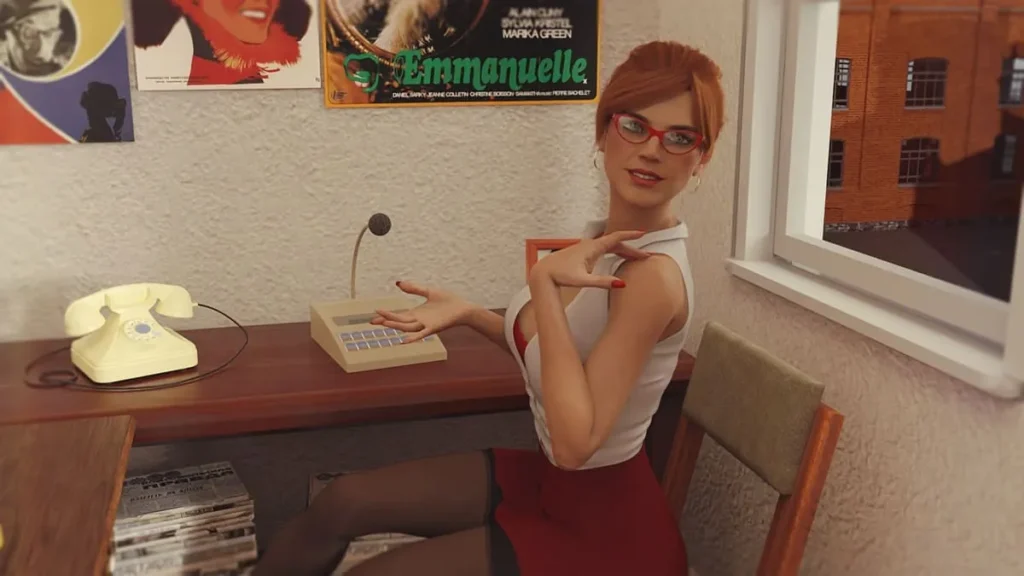
From the moment you begin, the 80s Soviet culture game experience wraps around you. The visuals are a masterclass in retro design, featuring muted yet distinct color palettes, period-accurate fashion (think oversized suits, colorful scarves, and yes, the titular retro styles), and technology that feels authentically clunky. You won’t find sleek smartphones here; you’ll be grappling with rotary phones, bulky television sets, and the distinct sound of a mechanical typewriter clacking away in the office. It’s these granular details that build an immersive retro Soviet atmosphere game where every pixel feels considered.
But the setting goes deeper than just a cool look. The game has a brilliant, satirical soul. It pokes fun at the era’s quirks—the endless paperwork, the surreal party slogans plastered on walls, the queue culture for basic goods—but never with mean-spiritedness. Instead, it uses this humor to create a relatable, human-scale story within a vast, impersonal system. You’re not dealing with world-ending crises; you’re trying to secure a better apartment, impress a prickly supervisor, or find a decent cut of meat for dinner. This grounded approach makes the 1980s USSR visual novel setting feel lived-in and authentic, not like a history textbook.
The charm is in the clash between mundane life and the overwhelming ideology. Your character doesn’t just go to work; they participate in the “socialist competition” between factory floors. It’s hilarious, insightful, and strangely endearing.
This unique environment is the game’s greatest strength. It appeals directly to players burnt out on traditional genres, offering a fresh lens through which to explore universal themes of career anxiety, friendship, and finding your place in the world. By choosing such a specific and underexplored 1980s USSR visual novel setting, the developers have created a playground that feels wonderfully new, proving that the best stories sometimes come from the most unexpected corners of history. 🗺️✒️
Main Character Journey and Corporate Narrative
So, who are you in this beautifully bizarre world? You step into the shoes of a recent university graduate, a blank slate filled with equal parts ambition and naive terror. Your diploma is fresh, your suit is slightly too stiff, and you’ve just been assigned to the “Ithaca” project at a major textile plant. This is your launchpad into the great Soviet machine. 🎓➡️🏭
Your journey is the core of the RSSU Retro Style Soviet Undies Case 1 Ithaca Project. This isn’t a tale of epic heroism, but one of subtle navigation. The “corporate” narrative here is less about stock options and more about navigating the byzantine hierarchy of a state enterprise. Your goals are immediately relatable: make a good impression, understand your cryptic assignments, climb the professional ladder (even if that ladder is more of a slow, creaky elevator), and maybe find a moment to actually design some interesting clothing amidst the red tape.
This is where the game’s tone shines. It balances the inherent humor of your situation—like being tasked with promoting “ideologically sound” underwear designs—with genuine stakes. Your performance matters. The relationships you build with your colleagues, from the stern department head to the cynical veteran worker in the next cubicle, directly influence your path. The narrative deftly explores the tension between individual creativity and collective expectation, a theme that resonates far beyond its 80s Berlin Wall backdrop.
The character relationships visual novel aspect is paramount. Your co-workers aren’t just archetypes; they are products of this unique system, each with their own strategies for survival and success. Do you ally with the zealous Young Communist League member? Seek the mentorship of the world-weary engineer who has seen it all? Or bond with fellow newcomers over shared confusion? These interactions are filled with witty, period-appropriate dialogue that brings the cast to life. You’re not just picking dialogue options; you’re learning a new social language, where a casual complaint about supply issues might be a test of loyalty or an opening for a genuine connection.
This 80s Soviet culture game experience is rooted in the protagonist’s personal growth. You’ll watch your character evolve from a wide-eyed new hire into someone who can work the system, forge meaningful alliances, and perhaps even find a way to inject a little personal flair into the monolithic world of Soviet textile manufacturing. It’s a coming-of-age story where the rite of passage is a successfully filed quarterly report.
Visual Novel Mechanics and Interactive Elements
At its heart, RSSU Retro Style Soviet Undies Case 1 Ithaca Project is a classic visual novel, but its mechanics are perfectly tailored to enhance its unique setting and corporate narrative. The visual novel gameplay mechanics are elegant in their simplicity, putting the full weight of the experience on your decisions and their consequences. 🎮✨
The core loop revolves around reading beautifully presented narrative text, making choices at key junctures, and managing your character’s stats and relationships. A typical day might involve choosing how to spend your lunch break (network with colleagues in the cafeteria, or sneak off to work on a personal design?), how to respond to your boss’s feedback (defer humbly, or cautiously push back with a better idea?), and how to spend your evening after work (visit a friend, stand in a queue for groceries, or relax at home). Each choice is a brick in the path of your story.
The system for interactive fiction narrative choices is what gives the game its depth and replayability. Your decisions influence visible character attributes like Professionalism, Creativity, Social Standing, and your rapport with individual colleagues. These aren’t just hidden numbers; they often gate certain dialogue options and story branches. A high Professionalism score might unlock a chance to present your project directly to the director, while a strong bond with a supply manager could be the key to obtaining rare fabrics for a prototype.
Let’s look at a specific example of how early choices ripple through the narrative. Imagine in your first week, your direct supervisor, Comrade Petrova, assigns you a tedious data-entry task.
- Choice A (The Diligent Path): You accept the task without complaint and spend your evening meticulously completing it, even cross-referencing old files for accuracy. This boosts your Professionalism stat and earns you cautious approval from Petrova. Weeks later, when a sensitive audit is announced, Petrova—remembering your thoroughness—personally recommends you for the audit preparation team. This opens a entirely new story branch focused on internal politics and high-stakes paperwork.
- Choice B (The Social Path): You grumble about the task to a sympathetic co-worker, Ivan, in the smoking lounge. This damages your standing with Petrova (who seems to have eyes everywhere) but builds a Friendship point with Ivan. Later, when you’re struggling with a technical design problem, Ivan—now considering you a friend—sneaks you a look at a forbidden Western fashion magazine from his drawer, unlocking new Creative design options and a storyline about underground culture.
- Choice C (The Creative Shortcut): You write a simple program on your office computer to automate the most repetitive part of the data entry. It saves you hours but is discovered by the IT department. This could lead to a reprimand (hurting Professionalism) or, if you frame it as an efficiency innovation for the Motherland, it might attract the attention of the tech-savvy (and slightly unorthodox) engineer in R&D, starting a completely different subplot about technology versus tradition.
This example shows how the visual novel gameplay mechanics turn everyday office situations into meaningful crossroad. There’s no single “right” answer, only different paths that lead to unique insights into the world and its characters. The game constantly validates your interactive fiction narrative choices, making you feel truly responsible for the story you’re weaving.
Beyond major choices, smaller dialogue trees are where the character relationships visual novel elements truly sparkle. Conversations feel dynamic, and getting to know someone requires paying attention to their views, their humor, and the unspoken rules of Soviet workplace conversation. It’s a deeply engaging system that proves a well-written choice is more powerful than any quick-time event.
| Operating System | Minimum Specifications | Notes |
|---|---|---|
| Windows 10/11 (64-bit) | Processor: Intel Core i3 or equivalent Memory: 4 GB RAM Graphics: Integrated graphics (OpenGL 3.3 support) Storage: 2 GB available space |
Runs smoothly on most modern laptops and desktops. No dedicated GPU required. |
| macOS 10.15 (Catalina) or later | Processor: Intel Core i3 (Apple Silicon supported via Rosetta 2) Memory: 4 GB RAM Graphics: Integrated graphics Storage: 2 GB available space |
Fully compatible with Intel Macs. M1/M2/M3 Macs run it seamlessly through compatibility layer. |
| Linux (Ubuntu 20.04 LTS or equivalent) | Processor: Intel Core i3 or equivalent Memory: 4 GB RAM Graphics: OpenGL 3.3 compatible Storage: 2 GB available space |
Community-tested on major distributions. Runs well on Steam Deck in desktop mode. |
Ultimately, the genius of RSSU Retro Style Soviet Undies Case 1 Ithaca Project is how it marries its one-of-a-kind 1980s USSR visual novel setting with tight, impactful visual novel gameplay mechanics. It understands that the best interactive stories make you care about the consequences, whether you’re deciding the fate of a kingdom or just trying to get your underwear design approved by a committee. 🏆
It offers a refreshing escape from fantasy and sci-fi tropes, delivering a witty, thoughtful, and deeply human experience wrapped in a layer of retro charm. If you’re looking for a visual novel that will surprise you, make you laugh, and genuinely make you think about your choices, this journey to a 1980s Soviet textile factory is an assignment you should definitely accept. Your new comrades (and a mountain of amusingly bureaucratic paperwork) await
RSSU – Retro Style Soviet Undies – Case#1 Ithaca Project delivers a refreshing take on the visual novel genre by grounding its narrative in an unconventional historical setting. The game’s commitment to 1980s Soviet atmosphere, combined with engaging character interactions and meaningful player choices, creates an experience that stands apart from typical visual novels. The protagonist’s journey through corporate life serves as an engaging framework for exploring relationships and making impactful decisions. For players seeking something beyond standard visual novel fare—those who appreciate historical settings, retro aesthetics, and narratives that blend humor with genuine storytelling—this game offers substantial entertainment value. If you’re curious about experiencing a visual novel that dares to be different, RSSU – Retro Style Soviet Undies – Case#1 Ithaca Project deserves your attention. Dive into this unique 1980s Soviet adventure and discover why players praise its distinctive approach to interactive fiction.