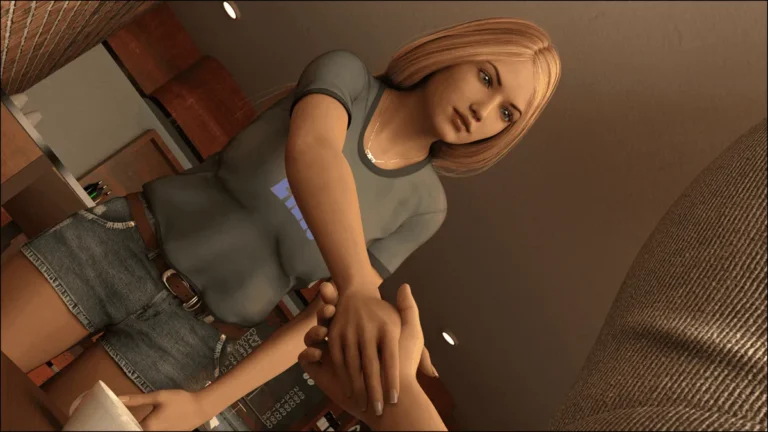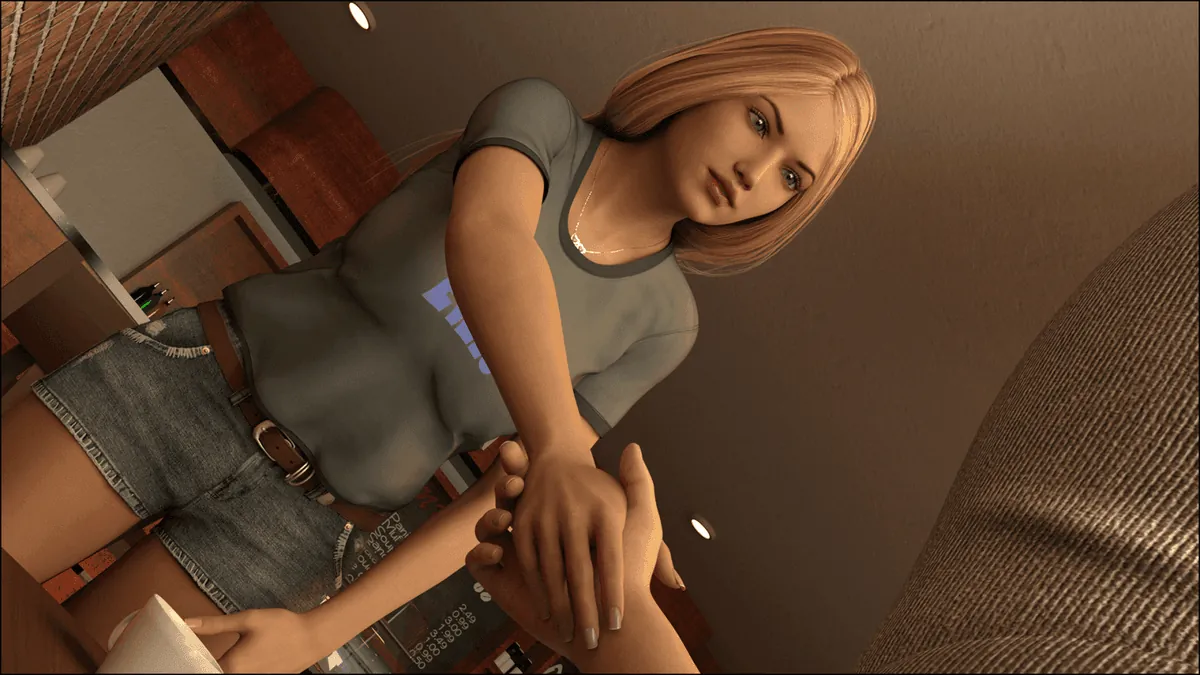
Our Fate – A new family
Play Our Fate – A new family
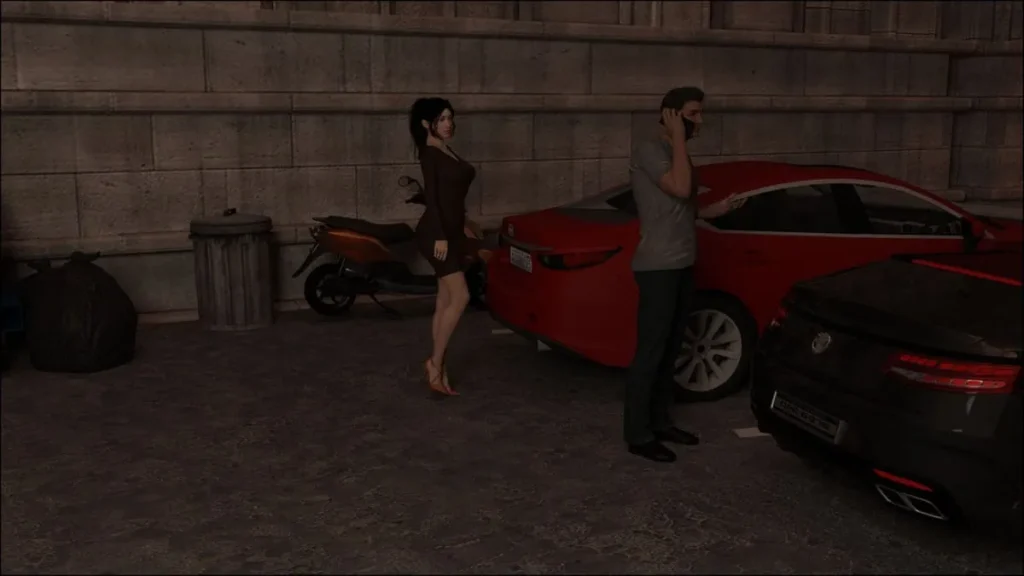
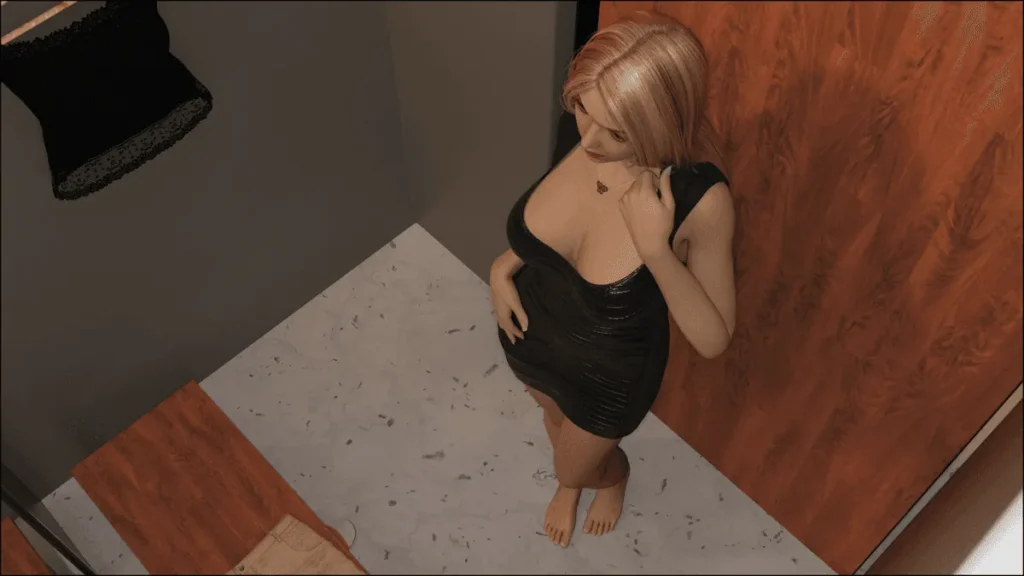
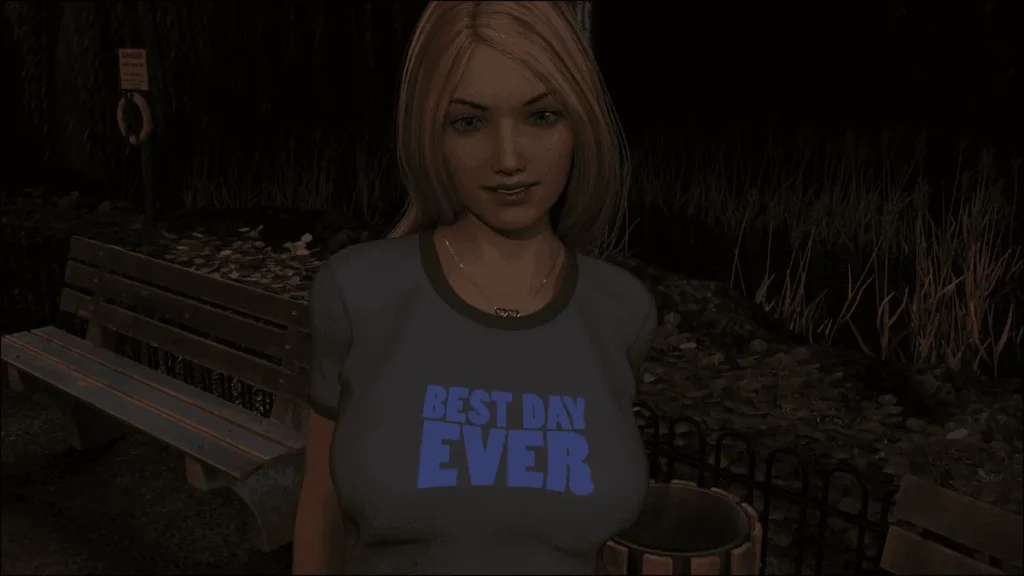
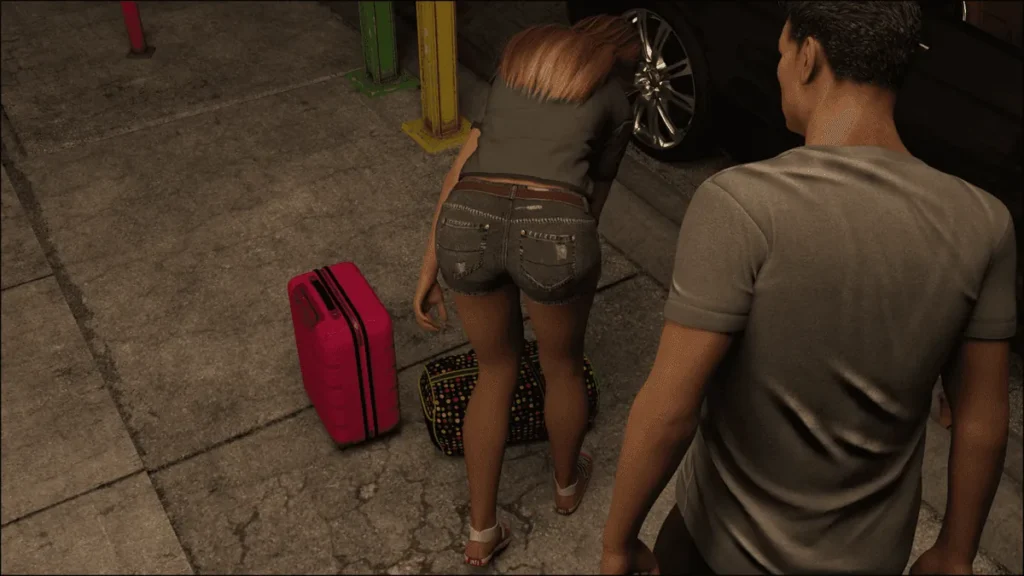
Our Fate – A new family Screenshots



Our Fate – A new family review
Explore narrative choices, character relationships, and family dynamics in this interactive story experience
Our Fate – A New Family is an engaging interactive narrative experience that places you in the role of a young adult suddenly responsible for the well-being of three distant relatives. Unlike traditional action-driven games, this title focuses on emotional storytelling and family dynamics, where every decision—from daily choices to major life events—shapes your relationships and the family’s future. Whether you’re interested in understanding the core gameplay mechanics, exploring character arcs, or discovering how your choices impact the narrative, this guide covers everything you need to know about this character-driven adventure.
Understanding the Core Narrative and Gameplay Mechanics
Ever feel like most games promise you the world, only to hand you a map to the same old battlefield? 🗺️⚔️ You’re the chosen one destined to slay the dragon, save the kingdom, and collect the epic loot. But what about saving a family? What about mending a broken home? That’s the breathtakingly human territory explored by Our Fate A New Family story.
This isn’t a tale of mythical beasts or interstellar war. It’s a quieter, deeper kind of adventure. In this interactive narrative game, you don’t inherit a legendary sword; you inherit a leaky roof, a mountain of bills, and the most challenging responsibility of all: family. The core of this family-focused gameplay isn’t conquest, but connection. It asks a profound question: can you rebuild a home and, in doing so, rebuild the people inside it?
Let’s pull up a chair on that creaky porch and dive into the heart of this experience. This chapter is your guide to understanding the soul of the game—how its story works, how your choices truly matter, and how the community around you breathes life into every decision.
What Makes the Story Unique: Family-Focused Narrative
Forget the fate of kingdoms; here, the stakes are bedtimes, school projects, and awkward family dinners. 🍽️👨👩👧👦 The genius of Our Fate A New Family lies in its radical shift in perspective. The central conflict isn’t external; it’s internal, woven into the fragile fabric of your new household.
Your journey begins with a bittersweet inheritance. A distant relative has left you their old home in the quiet town of Hazelwood. It’s not a mansion; it’s a project. The paint is peeling, the floorboards groan, and it feels more like a repository of memories than a livable space. But the real inheritance isn’t the property—it’s the people. You suddenly become the legal guardian for your two younger siblings, Leo and Mia, who you barely know, and you must also open your (very drafty) doors to Aunt Eleanor, a woman shrouded in family mystery and quiet regret.
This setup is the perfect foundation for the game’s emotional storytelling mechanics. The dilapidated house is a powerful metaphor. As you spend your limited resources on fixing a window or buying a fresh coat of paint, you’re literally and figuratively rebuilding a sense of safety and stability for your family. Every repaired step is a step toward normalcy. This family-focused gameplay means your primary resources aren’t mana or ammunition; they’re time, energy, and emotional capacity.
I remember one rainy in-game Tuesday. 💧 I’d planned to finally fix the broken lock on the front door—a tangible security goal. But then Leo, the younger brother, had a nightmare and crept into the living room. The game presented me with a choice: stick to my practical plan and send him back to bed, or spend the next hour sitting with him, talking about what scared him. Choosing to talk didn’t magically fix the lock, but it added a small, invisible brick to the foundation of trust between us. That’s the core loop: practical survival versus emotional nurturing.
This interactive narrative game excels in these small, profound moments. A successful family dinner where everyone shares their day can feel more rewarding than defeating any boss. The narrative measures progress not in experience points, but in the gradual softening of Aunt Eleanor’s stern demeanor, or in Mia finally calling the house “home” instead of “this place.”
How Your Choices Shape the Family’s Destiny
If the family is the heart, then your choices are the heartbeat. ❤️⚡ This is where the choice-driven narrative truly shines. There is no single “right” path, only your path. Every decision, from the monumental to the mundane, sends ripples through your family’s dynamics, changing how characters feel about you, each other, and themselves.
The game’s systems are designed to make you feel the weight of being the head of a household. You have a limited pool of “Energy” and “Time” each day. Do you use your evening hours to take on extra freelance work for much-needed cash, or do you help Mia with her struggling math homework? You can’t do both. Choosing work might ease financial stress later, but missing that tutoring session could deepen Mia’s frustration and make her feel unsupported.
Tip: Think of your choices as investments. You’re constantly investing your limited resources into different “accounts”: Financial Security, Sibling Bonding, Aunt Eleanor’s Trust, Household Stability, and Personal Well-being. A balanced portfolio often leads to a healthier family.
These choices fall into several key categories that you’ll navigate throughout the Our Fate A New Family story:
- Financial Choices: The constant balancing act between necessities and comforts. Do you buy the cheaper, bland groceries or splurge on ingredients for a special family meal? Do you repair the heating system or buy new winter coats?
- Emotional Support: This is the core of the character relationships game. Listening to a problem, offering advice (or just a hug), or choosing to share your own vulnerabilities. Do you press Aunt Eleanor about the past or respect her silence?
- Community Involvement: How you engage with Hazelwood directly affects your home. Volunteering at the town clean-up might earn you goodwill and future help, but it takes time away from your family.
- Sibling Conflicts: Leo and Mia won’t always get along. Your role as mediator is crucial. Do you side with one, try to find a compromise, or let them work it out themselves? Each approach teaches them different lessons about conflict resolution.
Let’s look at a specific scenario to see these ripples in action. Imagine Leo wants to join the school soccer team, but it requires a fee for equipment and away games.
- Choice A (Financial Priority): “I’m sorry, Leo, it’s just not in the budget right now. Maybe next season.” This choice alleviates immediate financial pressure and is realistically responsible. However, it might make Leo feel like his passions are a low priority, potentially leading to resentment or withdrawal. He might stop sharing his interests with you.
- Choice B (Emotional Priority): “Let’s find a way to make it work. We’ll tighten up elsewhere.” You take on an extra weekend job to cover the costs. Leo feels incredibly supported and valued. His happiness is visible, and he might start helping out at home without being asked. However, your energy levels plummet, and Mia might feel neglected during the weekends you’re working.
But here’s the beautiful complexity: it doesn’t end there. Your relationship with the Hazelwood town setting intervenes. Perhaps if you’ve been friendly with Mr. Davies, the retired hardware store owner, he hears about Leo’s situation and offers his grandson’s old cleats. A choice you made weeks ago to help him with a heavy delivery now provides a third, unexpected path. This is the choice-driven narrative at its best—interconnected, unpredictable, and deeply human.
To visualize how a single decision can branch, consider this impact web:
| Your Initial Choice | Immediate Family Impact | Long-Term Relationship Effect | Potential Community Twist |
|---|---|---|---|
| Work overtime for team fees | +Family Funds, -Your Energy, -Time with Mia | Leo’s Trust ++, Mia’s Trust –, Your Stress + | Neighbor offers hand-me-down gear, saving you money and creating a new side quest. |
| Politely decline due to budget | +Your Time, +Financial Security, -Leo’s Morale | Leo’s Trust –, Realistic Parenting + | Leo seeks a job himself, triggering a “First Job” storyline with its own challenges. |
| Propose a fundraising compromise | -Time for planning, +Family Collaboration | Leo’s Responsibility +, Family Unity + | The local bakery might agree to sell your family’s baked goods, deepening town ties. |
The Town of Hazelwood: Community and Consequences
Your family doesn’t exist in a vacuum. 🏡🌳 The Hazelwood town setting is the soil in which your family’s new roots must grow. This isn’t just a pretty backdrop; it’s a living, breathing community filled with people who have their own stories, problems, and capacity to help or hinder you. The game masterfully balances intimate family moments with these broader community interactions.
Hazelwood itself feels like a character. From the bustling Saturday farmers’ market to the quiet, somewhat musty town library, every location holds potential. Your neighbors aren’t quest dispensers; they’re potential friends, sources of wisdom, or reminders of the life you’re trying to build. Engaging with them through side quests is never just about a reward—it’s about weaving your family’s story into the larger tapestry of the town.
For example, helping grumpy old Mr. Gilroy clean up his overgrown garden might earn you some fresh vegetables (a nice financial bonus), but the real payoff comes weeks later when he quietly drops off a handmade birdhouse for your backyard, noting that “kids should have nature to look at.” These moments of unexpected grace are central to the emotional storytelling mechanics. They show that rebuilding isn’t a solitary struggle.
The community also serves as a mirror and a pressure valve. Sometimes, the walls of your inherited house can feel like they’re closing in. A stressful argument with Aunt Eleanor can be diffused by taking a walk and running into the cheerful cafe owner, Fiona, who offers a free coffee and a listening ear. Her own story of moving to Hazelwood years ago might put your family’s growing pains into perspective.
Conversely, how you treat Hazelwood comes back to you. If you consistently ignore your neighbors’ requests or act selfishly, word gets around. The town’s collective willingness to help your struggling family will dry up. You might find shop prices are less flexible, or no one volunteers to watch the kids in an emergency. But if you invest time in the community—attending the town festival, volunteering, simply being a good neighbor—you’ll build a social safety net. This network becomes a crucial part of your family’s stability, offering everything from childcare tips to leads on cheaper building materials.
This creates a gorgeous synergy between the family-focused gameplay and the Hazelwood town setting. The love and stability you nurture inside your home give you the strength and compassion to engage positively with the town. In turn, the support and friendships you build in the town provide resources and relief that allow you to be a better guardian at home. It’s a continuous, rewarding cycle that makes the world feel authentically alive and interconnected.
Ultimately, Our Fate – A New Family understands that a home is more than a house. It’s the people inside it and the community that surrounds it. Your journey through this interactive narrative game is about learning that truth firsthand—through every tough choice, every small victory, and every connection forged on the front porches of Hazelwood. You’re not just managing needs; you’re curating a future, one heartfelt decision at a time.
Our Fate – A New Family stands out as a narrative-driven experience that prioritizes emotional depth and meaningful relationships over traditional gameplay mechanics. The game’s strength lies in its ability to make players feel the weight of their decisions through the lens of family responsibility and community connection. By focusing on the everyday challenges of guardianship—from financial struggles to emotional support—the game creates a uniquely personal storytelling experience. Whether you’re drawn to character-driven narratives, interested in exploring how your choices shape outcomes, or simply looking for a game that emphasizes human connection over action sequences, Our Fate – A New Family offers a compelling and thought-provoking experience that resonates long after the credits roll.