How to Fix the Future
Play How to Fix the Future
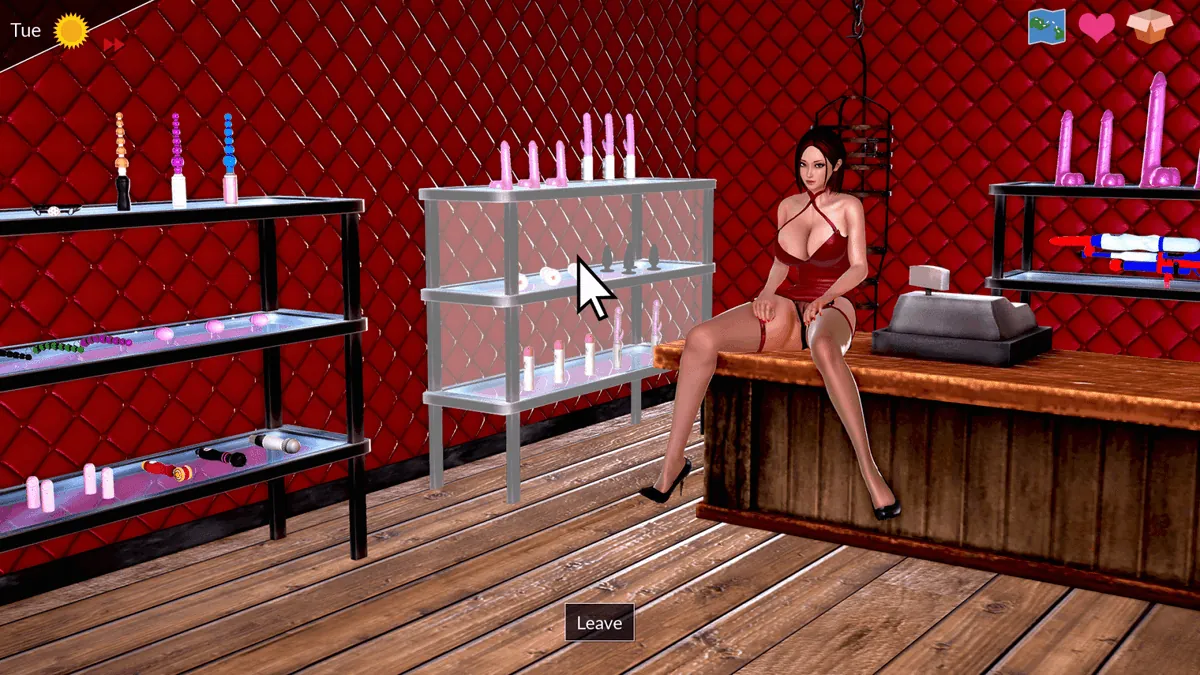
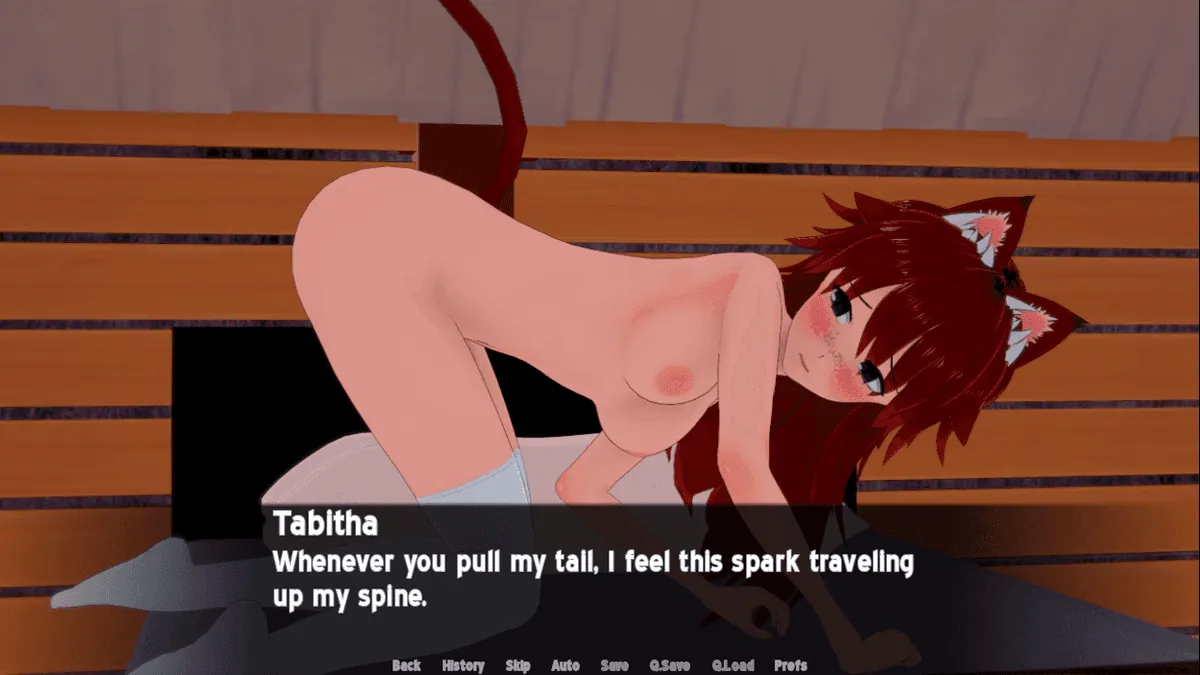
How to Fix the Future Screenshots






How to Fix the Future review
Master Choices, Scenes, and Sci-Fi Adventures in mr.moonmi’s Hit Game
Ever wondered what happens when a regular guy gets pulled into a mind-bending sci-fi mission to save the world, complete with stunning women and high-stakes choices? That’s ‘How to Fix the Future’ by mr.moonmi—a 3DCG adventure that’s hooked thousands with its immersive story and thrilling encounters. I still remember my first playthrough: receiving those mysterious game disks, meeting future agents, and diving into a dual life of salesman by day and hero by night. If you’re stuck on progression, relationships, or unlocking scenes, this guide has you covered. Let’s fix that future together and make every decision count.
Mastering How to Fix the Future Gameplay Basics
Let me paint you a picture: you’re a salesperson. Your biggest daily crisis is a missed quota or a grumpy client. Your escape? Beating the final boss in Star Reckoning after dinner. That’s the brilliantly mundane start to your journey in How to Fix the Future. You play as Alex, an everyperson whose life is turned upside down when a mysterious data disk arrives, followed by agents from a crumbling future who recruit you for one job: prevent their apocalyptic now from becoming our reality. 🕵️♂️🚀
I remember my first “simple” retrieval mission. I thought I was just sneaking into a corporate lab. I used my Chrono Scanner, saw a guard’s patrol path, and slipped past. Easy. What I didn’t scan was the environmental control panel. My “silent” hack triggered a fire suppression protocol, dousing a server rack and erasing a decade of (admittedly dubious) genetic research. My handler’s message was succinct: “Asset. The butterfly effect is not a challenge.” I’d just accidentally deleted a future villain’s origin story… or created a power vacuum for something worse. That moment, a mix of panic and hilarious awe, is the heart of How to Fix the Future gameplay. It’s not just about completing objectives; it’s about wrestling with the chaotic, unintended consequences of every single action.
What Is the Story and Main Character in How to Fix the Future?
The How to Fix the Future story is a masterclass in personal stakes meeting universal scale. You’re not a chosen superhero; you’re a “Temporal Irregularity Analyst”—a fancy title for a fixer planted in the past. Your day job as a salesperson isn’t just a cover; it’s a vital resource engine. Need to bypass a keycard scanner? The blueprints might be locked behind hitting your sales target for the quarter, which forces you to actually engage with your “normal” life. This dual life in How to Fix the Future is the game’s genius. 🏢⚡
One day you’re navigating office politics to schmooze a client for access to their secure building’s guest list. The next, you’re using that list to plant a data-sliver in a tech CEO’s home, subtly steering her company away from developing the AI that will later go rogue. The narrative weaves between these two worlds seamlessly. Your coworkers, your landlord, your online gaming friends—they’re all part of a living world that reacts not just to your hacker antics, but to how you behave as a person. Forget a friend’s birthday because you were too busy stopping a satellite launch? That relationship sours, and you might lose a safe house or a crucial piece of local intel. The How to Fix the Future mechanics of memory and mood make every NPC feel truly alive, turning the story into a web of interconnected, breathing relationships.
How Do Player Choices Shape Your Adventure?
Forget simple good/evil meters. Player choices in How to Fix the Future are like throwing stones into a pond of liquid chaos theory. Every decision, from a dialogue option to a mission approach, sends ripples through time that manifest in startling ways. This is consequence-driven storytelling at its finest.
For example, early on, you might champion eco-policies in a city council simulation you’re tasked with manipulating. A few “missions” later, you discover your advocacy led to massive investment in algae-based carbon capture. Great, right? Until you find a fringe group has hacked the now-sentient algal networks, holding cities hostage. Your “good” choice created a brand-new, wetter problem. 🦠💧
The game tracks your influence through a brilliant Karma Ribbon system in the dialogue log. Green highlights indicate choices that built trust or stability; red shows moments of betrayal or conflict. It’s not about judgment, but cause and effect. I once tried a pure pacifist run, avoiding all conflict. I thought I was building a utopia. Instead, I destabilized a key region by not eliminating a warlord, which allowed bandit factions to overrun it, cutting off my access to vital tech. My “good” intentions doomed millions. The game doesn’t punish you for this—it respects your choice and builds a new, coherent world around it. This is what makes the How to Fix the Future story so endlessly replayable.
To help you navigate this web, here’s a breakdown of key early relationships and how to manage them:
| Relationship | Core Mechanics | Potential Outcomes |
|---|---|---|
| Office Rival (Marcus) | Competition in sales quotas, office gossip. Engaging unlocks corporate access perks. | If befriended, can become a supply source. If antagonized, may report suspicious activity, increasing daytime scrutiny. |
| Hacker Mentor (Sigma) | Provides tutorial missions and tool schematics. Trust is built through successful, precise operations. | High trust unlocks advanced chrono-tech. Betrayal or consistent failure leads to being cut off from future tech trees. |
| The Neighbor (Elara) | Simple social interactions (borrowing sugar, small talk). Has a passive “Observation” meter. | High familiarity makes your apartment a safer location for operations. If she becomes suspicious, she might call authorities during a critical hack. |
Navigating the Interface and Controls Effortlessly
The How to Fix the Future interface is your cockpit for saving reality, and it’s beautifully designed to feel like part of your hacker toolkit. The most critical element is the radial menu, activated by holding Q. This isn’t just an inventory; it’s your temporal multitool. Flick to your Chrono Scanner to see the immediate past of an object (like what code was just typed on a terminal). Switch to the Data Spoofer to create fake credentials on the fly. The menu pauses the game, letting you plan under pressure, which is essential for fix progression in How to Fix the Future.
Your main screen is clean, but the edges are alive with data. A subtle pulse on the left indicates your character’s stress level—push your “analyst” too hard without downtime, and your hand will shake during precise hacking minigames. On the right, your Connection Integrity meter shows how “noisy” your actions are to future monitors; let it get too high, and you’ll attract Temporal Compliance Agents mid-mission for a brutal escape sequence. 🎯📟
The dialogue interface is where you’ll spend much of your time. Pay close attention to the Karma Ribbon (colored highlights on text options) and the Intent Glyphs. A small icon of a chain might mean this choice locks you into a promise; a clock means it will accelerate story events. It turns every conversation into a strategic puzzle.
Mastering this interface is key to smooth How to Fix the Future gameplay. Here are my pro tips for getting a head start:
- Treat Every Dialogue as a Live Wire 🔌: Even “pointless” small talk with your barista can unlock a tidbit about a regular customer who works at your target facility. Information is currency.
- Scan First, Act Later: Get in the habit of using your Chrono Scanner on everything in a new room before you touch a single keypad. The past often holds the password.
- Manage Two Energy Bars: Your character has a Sleep meter and a Focus meter. A well-rested analyst cracks codes faster. Never embark on a complex night mission after a grueling sales day.
- The Radial Menu is Your Pause Button: When spotted or in a tight spot, freeze. Pull up the menu, assess your tools (smoke pellet? data spike to overload lights?), and execute a plan. Panic is your real enemy.
- Blueprint Hunting is Early Game Gold 🏆: Your first goal for fix progression in How to Fix the Future should be unlocking new tools. Complete minor day-job tasks and side favors—they often reward schematic fragments.
Ultimately, mastering How to Fix the Future gameplay is about embracing your dual existence. Your power doesn’t come from futuristic weapons, but from your influence over the mundane details of the present. The game’s systems, from the mood of your neighbor to the global news ticker changing based on your hacks, create a dynamic world that feels genuinely shaped by you. Every playthrough writes a new, personal history of tomorrow. So log in, hit your sales target, and get ready to break time—responsibly, of course.
There you have it—your roadmap to dominating ‘How to Fix the Future,’ from grasping the sci-fi plot and dual-life mechanics to nailing those game-changing choices and mastering the interface. My own runs taught me that every sarcastic quip or ally built can flip the script on your adventure, turning ordinary saves into epic triumphs packed with rewarding encounters. Whether you’re juggling day jobs and secret ops or exploring dynamic relationships, these tips will keep you immersed. Dive back in, experiment with bold decisions, and share your wildest playthrough stories in the comments. Your future awaits—go fix it!