Greener Pastures
Play Greener Pastures
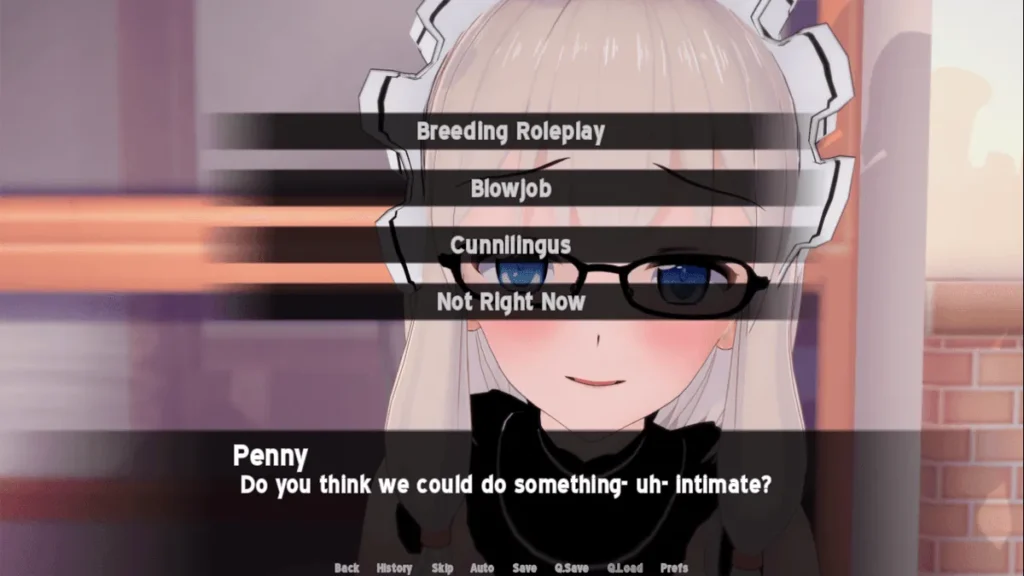
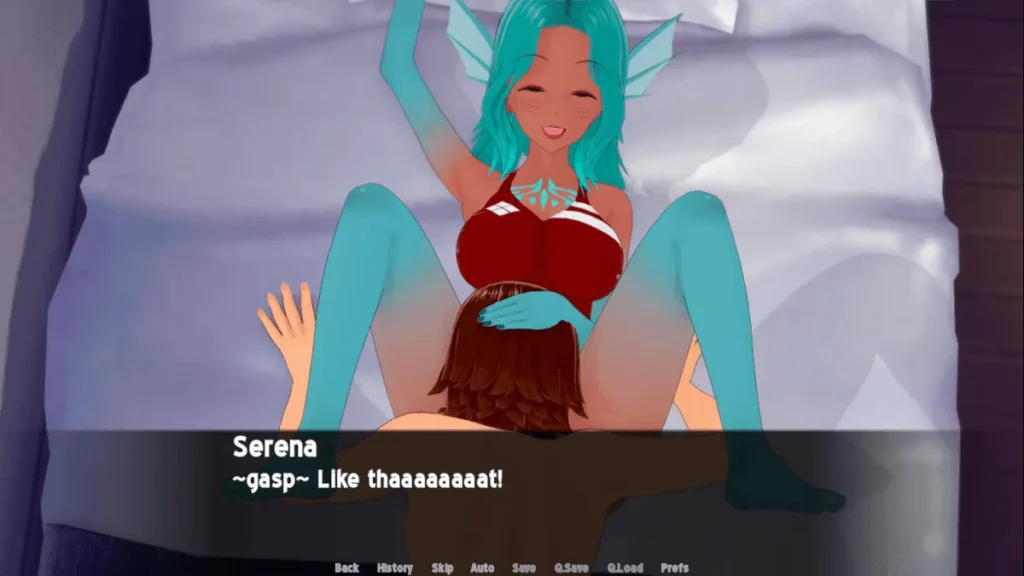
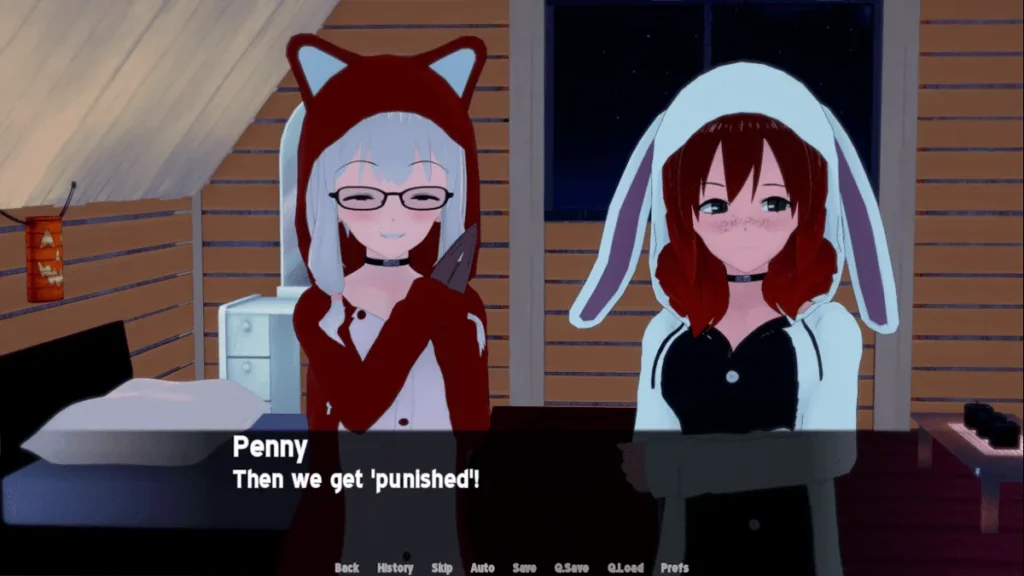
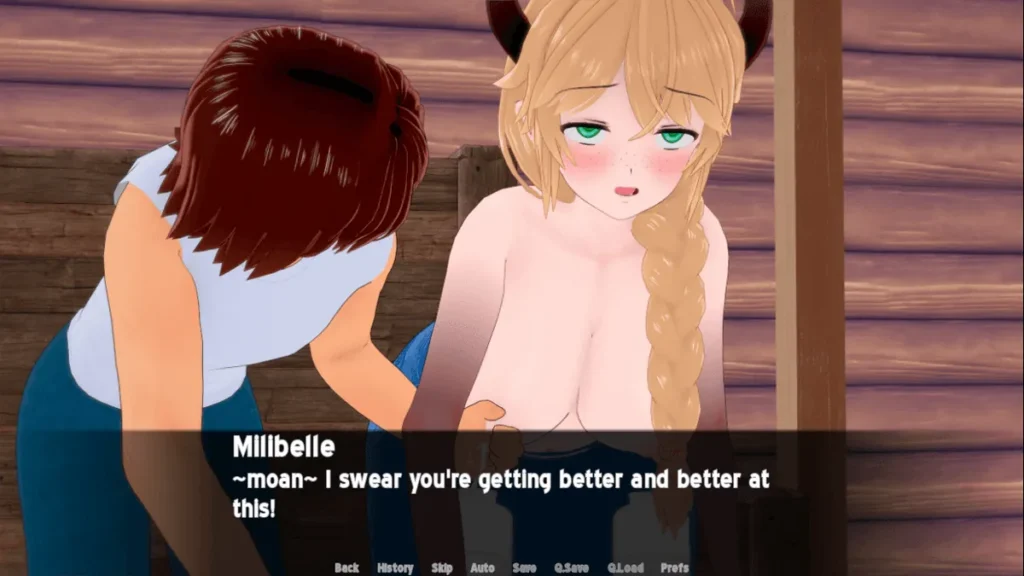
Greener Pastures Screenshots

Greener Pastures review
Exploring the mechanics, design, and cultural impact of this unique indie title
Greener Pastures stands out as a distinctive indie game that has captured the attention of players and critics alike. This comprehensive guide explores what makes this title unique, from its innovative gameplay mechanics to its artistic vision. Whether you’re a seasoned gamer curious about indie developments or someone new to the title, understanding Greener Pastures provides insight into modern game design and creative storytelling. We’ll examine the game’s core features, design philosophy, and what players can expect from their experience.
Understanding Greener Pastures: Game Overview and Core Mechanics
Ever stumbled upon a game that just feels different? One that doesn’t shout its objectives at you but whispers possibilities, inviting you to discover its secrets at your own pace? For me, that game was Greener Pastures. I still remember my first session: not as a triumphant hero, but as a weary drifter stepping off a dusty bus into a half-forgotten valley, with little more than a rusty key and a note from a distant relative. This isn’t your typical farming or life sim; it’s a contemplative puzzle box wrapped in the guise of rural restoration. So, what is Greener Pastures? At its heart, it’s an indie title about the weight of legacy, the quiet magic of the mundane, and the systems that breathe life into a world. Let’s explore why this game matters and how its delicate mechanics create something truly special. 🌄
What Is Greener Pastures and Why It Matters
If you’re asking “what is Greener Pastures?” on a surface level, you might get a simple answer: it’s a game about inheriting a dilapidated homestead in a mysterious valley and slowly bringing it back to life. But that’s like saying a library is just a room with books—it misses the entire soul of the experience. Greener Pastures is a masterclass in atmospheric storytelling and indie game mechanics that prioritize player curiosity over checklist completion.
The game found its audience not through flashy marketing, but through word-of-mouth among players tired of being led by the nose. Its primary appeal lies in its respect for the player’s intelligence. There’s no quest journal screaming at you, no minimap cluttered with icons. Instead, you have a simple notebook you manually update, weather patterns you learn to predict by observing the sky, and characters who share secrets only if you’ve earned their trust through consistent, genuine actions. This alone has cemented its reputation in the indie game development community as a title that dares to be quiet in a noisy landscape.
What truly sets the Greener Pastures game apart is its unique positioning. It sits at a fascinating crossroads between genres:
* A Life Sim without the Grind: While farming and crafting are present, they are means to an end, not the end itself. Growing a specific herb might be the key to soothing a spirit haunting the old woods, not just a commodity to sell.
* A Mystery without Hand-Holding: The valley has a deep, unsettling history. Uncovering it requires piecing together fragmented diaries, environmental clues, and half-remembered folktales from elderly villagers.
* A System-Driven World: Everything is connected. The health of your land affects local wildlife, which in turn influences the resources available, which changes how villagers interact with you. It’s a web of cause and effect.
This isn’t just another cozy game to unwind with; it’s a game to get lost in. Its significance lies in its proof that a small team, with a clear game design philosophy and a focus on systemic depth, can create a world that feels more alive and reactive than many blockbuster titles. It matters because it puts the wonder of discovery back into the player’s hands.
Core Gameplay Systems and How They Work
The magic of Greener Pastures doesn’t come from one single feature, but from how its gameplay systems intertwine like the roots of an ancient tree. These indie game mechanics are deceptively simple on their own but create staggering complexity when they interact. Let’s break down the core pillars.
The Restoration Loop: Observation, Action, Consequence
At the center of everything is the restoration of your homestead. But this isn’t a simple “hammer on thing until progress bar fills” scenario. Every action is part of a loop:
1. Observe: You notice the old greenhouse glass is cracked and the plants inside are wilted.
2. Investigate: You search the town for a glassmaker, or look through your relative’s old engineering books for a DIY solution.
3. Act: You gather the needed materials (which may involve trading, foraging, or a side quest) and repair it.
4. Consequence: The greenhouse thrives. New plant variants become available. A villager who is a botanist now visits weekly, offering new quests. The local microclimate might even subtly change.
This loop applies to everything, from fixing a creaky porch swing (which might become a favorite spot for a storytelling neighbor) to clearing a blocked creek (which could restore a downstream fishing spot).
The Trust & Dialogue System
Characters in Greener Pastures don’t have friendship meters. They have memories. Every interaction, favor, or choice is remembered. The gameplay systems here involve learning schedules, remembering personal preferences, and choosing dialogue options that reflect genuine engagement rather than just picking the “nice” response. Offer to help someone with their firewood, and they might later trust you with a family secret. Forget a promise you made, and they’ll become politely distant.
The Environmental Puzzle System
The valley itself is a puzzle. Strange lights, seasonal changes in the forest paths, and spectral echoes all hold clues. Progress often requires you to cross-reference information: an old map found in the attic with the current landscape, or a nursery rhyme heard in the tavern with a peculiar rock formation at dusk. There are no glowing waypoints—just your own deduction.
To see how these systems dance together, let’s look at a typical gameplay session.
Example: A Walkthrough in Systems
You wake up to a persistent, drizzling rain—a “Mist Rain,” which your notebook says is known for revealing hidden fungi. You decide to forage in the Whisperwood. The environmental system is at play. 🍄In the woods, you find not just mushrooms, but a set of moss-covered stone pillars humming softly. You remember a line from a scrap of folklore in the library: “When the Mist Rain sings, the old stones remember.” You use your camera (a key tool) to take a photo of the pattern on the pillars—this is the puzzle system.
Back at town, you visit Elara, the archivist. You’ve previously helped her organize old county records (trust system), so she’s amenable. You show her the photo. She cross-references it with a ledger and tells you the pattern matches a lost family crest from a homestead north of the ridge.
You trek there, finding a ruined foundation. Using your restoration skills, you clear the debris from the hearth. This doesn’t “complete a quest,” but it does trigger a consequence. That evening, a soft, warm light is seen in the valley by other villagers. The next day, the blacksmith mentions he feels oddly optimistic and offers you a discount on tools. A small, quiet piece of the valley’s trauma has been healed, and the connected world responds.
To visualize the core interplay, here’s a breakdown of the primary gameplay systems:
| System Name | Player Input | World Response | Core Gameplay Loop |
|---|---|---|---|
| Restoration & Crafting | Gathering resources, repairing buildings, crafting tools/items. | Unlocks new areas, recipes, and plant/animal variants. Changes the homestead’s visual state and functionality. | Observe Degradation -> Gather -> Repair -> Unlock New Possibilities |
| Dialogue & Trust | Choosing dialogue, fulfilling promises, giving gifts, performing favors. | Characters reveal backstory, offer unique quests or items, and change their daily routines/interactions. | Listen -> Act Authentically -> Build History -> Gain Access |
| Seasonal & Ecological | Tracking time, weather, and seasonal changes. Planting and tending to flora. | Different resources, wildlife, and mystical events appear. Plant growth cycles and weather affect all other activities. | Plan -> Plant/Tend -> Harvest/Observe -> Adapt Strategy |
| Discovery & Puzzle | Exploring, photographing clues, connecting lore fragments, experimenting. | Reveals hidden areas, solves environmental puzzles, progresses the overarching valley mystery, pacifies disturbances. | Explore -> Document -> Hypothesize -> Test -> Discover |
This intricate web is what makes getting a true game mechanics explained session so rewarding. You’re not just learning what button to press; you’re learning a new way to see and interact with a digital world.
Design Philosophy Behind the Experience
The profound experience of Greener Pastures doesn’t happen by accident. It’s the direct result of a fiercely deliberate game design philosophy held by its small development team. Having followed their developer logs and interviews, it’s clear they were guided by a few unwavering principles.
1. “Quiet Friction Over Convenient Grind”
The team famously disliked mindless repetition. Instead, they aimed for what they called “quiet friction”—small, thoughtful obstacles that require player engagement. For example, manually rotating pieces to fit a repair puzzle, or having to wait for ink to dry in your notebook after mapping an area. This friction makes every small victory feel earned and real, grounding you in the world. It’s a cornerstone of their indie game development approach: valuing meaningful interaction over streamlined time-sinks.
2. The World is a Character, Not a Backdrop
Every design choice reinforces that the valley is alive with its own history and rhythm. The sound design shifts from peaceful to eerie based on location and story progress. The color palette evolves not just with seasons, but with the player’s actions—cleansing a corrupted spring might literally bring more color to a section of the forest. This artistic vision ensures that the setting and atmosphere are active participants in the story.
3. Story Through Systems, Not Cutscenes
Narrative is never dumped on you. It is generated by the gameplay systems. You learn about a tragic historical event because you repaired a monument and a ghostly echo appeared. You understand a character’ grief not because they monologue, but because they stop visiting the general store after you clear the wildflowers from a certain grave site. This philosophy of environmental storytelling and emergent narrative gives the story a powerful personal weight.
Quote: Developer Insight
In a poignant post, the lead designer shared: “We asked ourselves: ‘How do you tell a story about healing a place?’ We realized healing is never a single grand gesture. It’s a thousand small, deliberate actions—pulling a weed, listening patiently, remembering a name, fixing a broken latch. So we built systems that reward those actions not with XP, but with a sense of quiet, spreading peace. The player’s action is the plot.” This quote perfectly encapsulates the game design philosophy: the mechanics are the narrative engine.
The Development Journey
The indie game development process for Greener Pastures was a marathon of passion, reportedly taking over five years with a core team of just four people. The technical complexity wasn’t in flashy graphics, but in coding the dense web of systemic interactions. They built custom tools to ensure that a change in one variable (e.g., “forest health”) could subtly influence dozens of others (wildlife spawns, foraging yields, character dialogue flags).
Their creative decisions were often about subtraction. They removed a traditional quest log, a fast-travel system, and even a conventional money economy early on, finding that these elements encouraged transactional play instead of thoughtful engagement. This bold stripping-back defines the game’s unique feel and is a testament to a design philosophy confident in its own vision.
This philosophy is what ultimately distinguishes the Greener Pastures game in the indie market. It’s not trying to be everything to everyone. It’s a deliberate, thoughtful experience for players who want to feel like they are truly leaving a mark on a world, one carefully considered action at a time. It proves that in indie game development, a clear, player-respectful vision can create pastures that are, indeed, far greener. 🌱
Greener Pastures represents a significant achievement in indie game development, demonstrating how thoughtful design and creative vision can create memorable player experiences. The game’s intricate systems, artistic approach, and unique mechanics showcase the potential of independent developers to push creative boundaries. Whether you’re drawn to innovative gameplay, compelling narratives, or artistic expression in gaming, Greener Pastures offers something worth exploring. As the indie gaming landscape continues to evolve, titles like this remind us of the importance of experimentation and creative risk-taking in the medium.