A Summer’s End – Hong Kong, 1986
Play A Summer’s End – Hong Kong, 1986
A Summer’s End – Hong Kong, 1986 Screenshots







A Summer’s End – Hong Kong, 1986 review
Exploring the Story, Setting, and Unique Features of A Summer’s End – Hong Kong, 1986
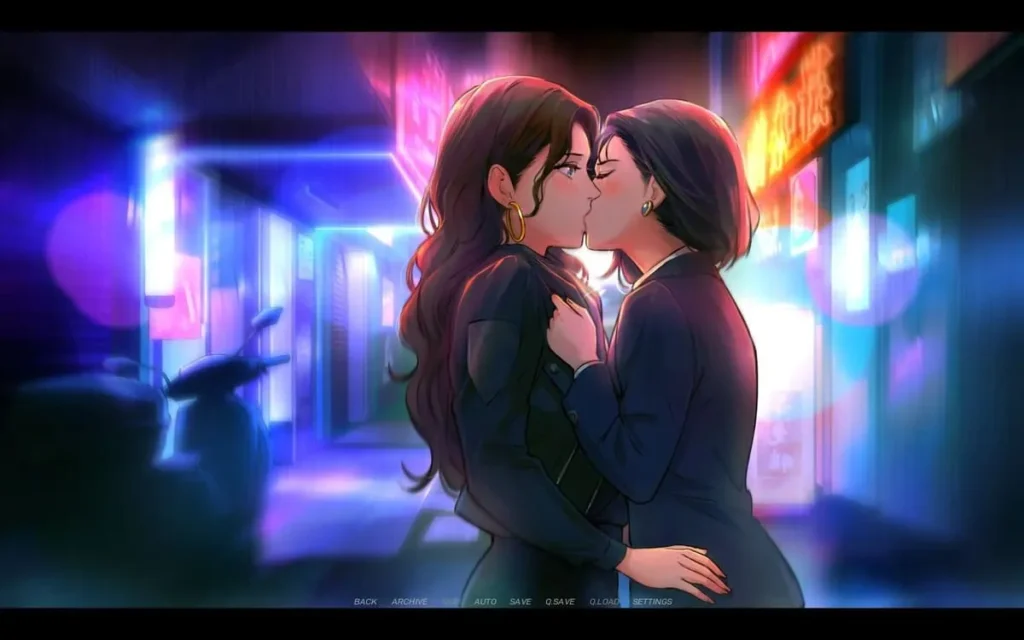
A Summer’s End – Hong Kong, 1986 is a visually striking and emotionally rich visual novel that immerses players in a poignant love story set against the vibrant backdrop of 1980s Hong Kong. Centered on the evolving relationship between Michelle and Sam, the game combines lush hand-drawn art, a nostalgic soundtrack, and authentic cultural details to create a unique narrative experience. Whether you’re drawn by its storytelling or its atmospheric setting, this game offers a thoughtful exploration of identity, love, and cultural change during a pivotal era.
Unpacking the Story and Characters of A Summer’s End – Hong Kong, 1986
Ever stumble upon a story that feels less like a game and more like a memory you never lived? That was my exact experience with A Summer’s End – Hong Kong, 1986. 🏙️✨ This visual novel doesn’t just tell a tale; it immerses you in a specific time and place, wrapping you in the humid air, the neon glow, and the poignant, quiet yearnings of its protagonists. At its heart, the A Summer’s End Hong Kong 1986 story is a delicate exploration of a chance encounter that blossoms into something profound, challenging both characters and players to consider the weight of choice and the price of authenticity.
Let me tell you, as someone who’s played my share of romance stories, this one stands apart. It trades grand gestures for lingering glances and nervous silences that speak volumes. It’s a masterclass in atmosphere and character, and today, we’re going to unpack exactly what makes it so special.
Who Are Michelle and Sam? Exploring the Protagonists
The soul of this experience lies with its two beautifully realized leads. Their dynamic isn’t about instant, fiery passion, but a slow, tentative connection that feels achingly real. You don’t just watch their story—you guide its fragile heart through your decisions.
Michelle is our window into this world. A traditional, reserved office worker in her late twenties, she lives a life of quiet duty. Her days are governed by filial piety, corporate expectations, and the unspoken rules of her family. She’s the “good daughter,” but you can feel the subtle undercurrent of restlessness beneath her composed exterior. Meeting Sam acts as a catalyst, forcing her to confront desires and parts of her identity she’s carefully tucked away. 🏢💼
Then there’s Sam. Brash, independent, and openly queer, she’s a stark contrast to Michelle’s world. A graphic designer who embraces a more cosmopolitan, liberal lifestyle, Sam represents a freedom Michelle has never allowed herself to imagine. She’s not without her own vulnerabilities, but she wears her confidence like armor. Their attraction is a classic case of opposites attracting, but the game wisely frames it as a collision of two different cultural realities within 1980s Hong Kong.
To understand their journey, it helps to see them side-by-side:
| Character | Key Traits & Profession | Core Motivation | Role in the Narrative |
|---|---|---|---|
| Michelle | Reserved, dutiful, introspective. Office administrator. | To fulfill familial and societal obligations, while quietly seeking personal fulfillment. | The grounded perspective; the character undergoing the most significant transformation as she navigates new feelings and old pressures. |
| Sam | Confident, artistic, openly queer. Freelance graphic designer. | To live authentically and freely, challenging the status quo of her environment. | The catalyst for change; a symbol of an alternative life path and a source of both emotional support and conflict. |
The magic of the Michelle and Sam characters is how their relationship develops. It’s filled with small, authentic moments—awkward conversations, shared glances in a crowded night market, the simple act of choosing to spend time together. Their romance isn’t presented as a political statement first, but as a deeply human connection that happens to face specific societal hurdles. This approach gives their LGBTQ love story visual novel a universal emotional core that anyone who has ever felt “different” or trapped by expectation can relate to. 🌈❤️
Themes of Love, Identity, and Cultural Conflict
While the romance is central, the game’s true power comes from how it intertwines personal desire with broader social forces. The 1980s Hong Kong cultural conflict isn’t just a backdrop; it’s a silent, pervasive character in the story.
Hong Kong in 1986 was a powder keg of transition. Caught between its colonial past and an uncertain future with the impending handover to China, the city thrived on a mix of Eastern tradition and Western influence. This tension plays out intimately in Michelle’s life. Her story is a microcosm of this clash: the expectation to marry a man and continue the family line versus the yearning for a different kind of love and life. The pressure from her mother isn’t portrayed as villainous, but as a product of a different worldview, adding layers of painful realism to the visual novel romance themes.
The game explores identity not as a single revelation, but as a series of choices. For Michelle, it’s about integrating the person she’s expected to be with the person she might want to become. For Sam, it’s about maintaining her hard-won authenticity in a society that can be dismissive or hostile. Their love story becomes a vehicle for exploring self-discovery, asking whether we have the courage to choose ourselves, even when it means disappointing the world we know. This nuanced handling prevents the narrative from ever feeling like a simple “right vs. wrong” parable.
How Player Choices Shape the Narrative and Endings
This is where A Summer’s End truly shines as an interactive story. The player choice narrative impact is profound and often subtly terrifying. You are not choosing between obvious “good” and “evil” paths. Instead, you’re making seemingly small, everyday decisions that collectively determine the fate of Michelle and Sam’s relationship.
Will Michelle open up to Sam about her family pressures? Will she accept an invitation to spend more time together, or pull away out of fear? These choices feel organic—like decisions we might genuinely wrestle with. The game tracks your tendency toward “Caution” or “Venture,” subtly steering the narrative toward different outcomes. This system brilliantly mirrors the central conflict: playing it safe versus taking a risk for happiness.
Your choices here don’t feel like game mechanics; they feel like moral and emotional dilemmas. You’ll pause, thinking, “What would I do? But more importantly, what is best for Michelle right now?”
This brings us to the crucial topic of game endings explained. There are several conclusions, but two primary ones highlight the stakes:
- The ‘Bad’ or Bittersweet End: This isn’t a ending of melodrama, but one of quiet resignation. If your choices consistently favor “Caution” and societal pressure, Michelle may ultimately walk away from the relationship. It’s heartbreaking in its realism—a story of love succumbing to fear and obligation. It serves as a powerful reminder of the cost of conformity.
- The ‘True’ or Hopeful End: Achieved by consistently choosing “Venture” and encouraging Michelle’s authenticity, this ending offers a sense of hard-won hope. It doesn’t promise a fairy-tale finale, but a realistic chance for the relationship to continue and grow. It’s an affirmation of choice, courage, and the possibility of building a life on your own terms.
The genius is that neither ending feels cheap or unearned. They are the direct, logical consequences of the path you’ve guided Michelle down. This responsive narrative makes the A Summer’s End Hong Kong 1986 story deeply personal. Your emotional investment directly shapes the outcome, making the hopeful ending feel like a triumph and the other a poignant lesson.
In the end, A Summer’s End – Hong Kong, 1986 is more than a visual novel. It’s a time capsule, a character study, and a gentle push toward introspection. By masterfully weaving the Michelle and Sam characters into the fabric of 1980s Hong Kong cultural conflict, it creates a LGBTQ love story visual novel that resonates with profound emotional truth. Its sophisticated handling of visual novel romance themes and meaningful player choice narrative impact ensures that the story you experience—and the ending you reach—will stay with you long after the final credits roll. It’s a beautiful reminder that some summers may end, but the choices we make can echo for a lifetime. 🌆✈️
A Summer’s End – Hong Kong, 1986 stands out as a beautifully crafted visual novel that offers more than just a romance story. Its authentic depiction of 1980s Hong Kong, combined with nuanced characters and meaningful player choices, creates a memorable experience that resonates emotionally. Whether you engage with the base story or explore the optional adult content, the game invites players to reflect on identity, love, and cultural transformation. Dive into this unique narrative journey and discover why it continues to captivate fans of visual novels and retro aesthetics alike.